
Best Termite Control Company in Tempe
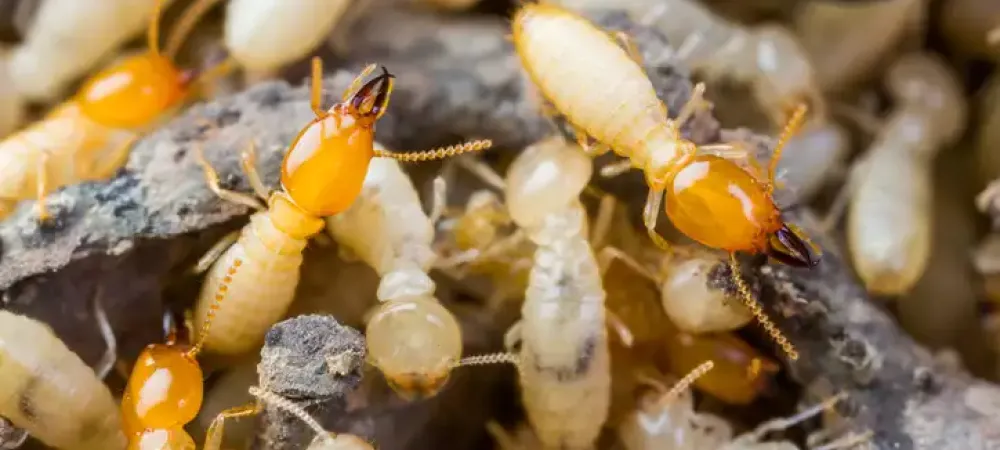
Look, nobody wakes up excited about termites. But if you’re in Tempe, you’re living in what’s basically an all-you-can-eat buffet for these wood-munching pests.
Between the desert heat, monsoon humidity, and all that gorgeous landscaping around ASU and the older neighborhoods near Mill Avenue, termites here aren’t just common—they’re practically inevitable.
Key Takeaways:
- Termites in Tempe thrive year-round thanks to caliche soil, irrigation systems, and desert humidity spikes
- Liquid barrier treatments work immediately and last 5–10 years; bait systems take longer but are less invasive
- DIY doesn’t work—professional-grade termiticides and warranties are the only real protection
- Waiting turns a $1,500 problem into $8,000–$15,000 in structural repairs
- All Arizona termite companies must be licensed through the State Structural Pest Control Commission
What You Need to Know About Termite Control in Tempe
How common are termites in Tempe?
Extremely. Tempe sits right in the sweet spot for subterranean termites, especially Heterotermes aureus (the desert subterranean termite). These guys thrive in our caliche soil and love the moisture from irrigation systems that keep our palm trees and desert landscaping alive. Peak swarming season hits between March and May, right when we’re all opening windows and pretending it’s not about to be 115 degrees.
When should you call a termite company?
The moment you see mud tubes running up your foundation, find discarded wings near doors or windows, or notice wood that sounds hollow when you tap it. Waiting “just to see” is how a $1,500 problem becomes a $10,000 nightmare.
Tempe’s older homes—especially those charming 1950s ranch houses south of University—are particularly vulnerable because of their wood-frame construction and aging foundations.
You’re probably already seeing the signs. That’s why you’re here.
How long does a treatment last?
Liquid barrier treatments (like Termidor) typically protect your home for 5 to 10 years if applied correctly. Bait systems require ongoing monitoring—normally quarterly visits—but they’re effective in preventing future infestations. Fumigation? That’s a one-and-done situation for drywood termites, but it doesn’t stop them from coming back.
Why Hiring a Professional Termite Control Company Matters
Here’s the thing about DIY termite treatment: it doesn’t work.
You can buy treatments at Home Depot, sure.
You can spray some stuff around your foundation and feel productive. But termites don’t care about your YouTube research. They’re already three feet underground, tunneling toward your floor joists while you’re watching tutorials.
Professional treatment works because:
Termite companies use professional-grade termiticides that aren’t available to the public. Products like Termidor SC and Altriset create barriers that last years, not weeks. They’re also applied at depths and concentrations that actually reach the colony—not just the scouts you’re seeing on your patio.
Real companies guarantee their work. Most reputable Tempe companies offer warranties ranging from one to five years, with annual inspections included. If termites come back during that period, they retreat your home at no extra cost. Your $40 Home Depot bottle comes with zero guarantees and a high probability you’ll be calling a pro anyway.
The stakes are higher than you think.
The average termite colony can consume about a pound of wood per day. In Tempe’s dry climate, they’re drawn to any moisture source—your irrigation lines, AC condensation, even that drip system watering your citrus trees.
How to Choose the Best Termite Control Company in Tempe
Some are great. Some are overpriced. Some are basically guys with a truck and a dream.
Here’s how to tell the difference.
Step 1: Verify Licenses and Certifications
Every termite company operating in Arizona must be licensed through the Arizona Structural Pest Control Commission. This isn’t optional. If they can’t provide a license number, walk away. You can verify any company’s license status at ag.arizona.gov. Look for an active license, no disciplinary actions, and proper insurance coverage.
In Tempe specifically, a lot of pest control companies service the entire Valley but aren’t based here. That’s fine—but make sure they’re familiar with Tempe’s specific challenges. Older neighborhoods like Jen Tilly Terrace, Guadalupe, and the areas near Tempe Town Lake have unique moisture and soil issues that require localized knowledge.
Step 2: Check Local Reviews and Ratings
Google reviews matter. So do Yelp and BBB ratings.
Look for companies with 4.5 stars or higher and a mix of positive and negative feedback. Pay attention to how they respond to complaints—that tells you more than the complaints themselves.
Step 3: Compare Inspection and Warranty Terms
Any reputable company will offer a free inspection. That’s standard. But here’s what to look for during that inspection:
- Do they inspect the entire perimeter, including crawl spaces and attics?
- Are they checking for both active infestations and conducive conditions (moisture sources, wood-to-soil contact, etc.)?
- Do they provide a written report with photos and treatment recommendations?
If they show up, spend five minutes looking at your baseboards, and immediately quote you $3,000 for whole-house fumigation, that’s a red flag.
Step 4: Request an On-Site Inspection Quote
Never agree to treatment over the phone. A legitimate company needs to inspect your property before providing a quote. Termite treatment costs depend on home size, infestation severity, soil type, and access points.
Get at least two quotes. Three is better. Compare not just the price, but what’s included: warranty length, follow-up inspections, treatment coverage area, and whether they’re addressing conducive conditions (like fixing moisture issues or removing wood debris).
And here’s the uncomfortable truth: the cheapest quote is almost never the best option. Termite treatment done wrong is worse than no treatment at all because it gives you false confidence while the colony keeps eating.
Questions to Ask Before Hiring a Termite Control Company
Before you sign a contract, ask these questions. Their answers will tell you everything.
1. What’s your Arizona Structural Pest Control Commission license number?
If they hesitate or can’t provide it on the spot, walk away. Legitimate companies have this memorized.
2. What termite species are you treating for, and how do you know?
A good tech should identify the species during the inspection. Desert subterranean termites, drywood termites, and dampwood termites all require different treatments. If they can’t tell you what kind of termites you have, they’re guessing.
3. What products are you using, and are they safe for pets and kids?
They should give you specific product names—Termidor, Altriset, Sentricon, etc.—and explain the safety profile. Modern termiticides are low-toxicity and safe when applied correctly, but you deserve transparency.
4. What does your warranty cover, and is it transferable?
Get this in writing. Some warranties only cover re-treatment, not damage repair. Others exclude certain areas or require annual inspections to stay valid. And if you’re planning to sell your home, a transferable warranty adds value and makes the transaction smoother.
5. How long will the treatment take, and do I need to leave my home?
Liquid barrier treatments usually take 2-4 hours and don’t require you to leave. Fumigation requires 24-72 hours and total evacuation. Bait systems take minutes to install but require ongoing monitoring. Set expectations upfront.
6. Do you offer a free re-inspection if termites return?
Most reputable companies include annual inspections in their warranty. If they’re charging extra for follow-up visits, that’s a red flag.
7. What conducive conditions did you find, and how should I fix them?
A good company won’t just treat the infestation—they’ll point out moisture problems, wood-to-soil contact, mulch too close to the foundation, and other issues that attract termites. If they don’t mention these, they’re not doing their job.
8. Can you provide references from other Tempe homeowners?
Any company worth hiring will have a list of satisfied local customers who’ll vouch for their work. If they can’t (or won’t) provide references, keep looking.
FAQs About Termite Control in Tempe
How fast can termites destroy a home?
A mature termite colony of 60,000 workers can eat about one pound of wood per day. In Tempe’s climate, a significant infestation can cause noticeable structural damage in 3-6 months and major damage within 2-3 years. Older homes with wood framing are especially vulnerable.
Is termite treatment safe for pets and children?
Yes, when applied correctly by a licensed professional. Modern termiticides like Termidor and Altriset have low toxicity to mammals. Liquid treatments are injected deep into the soil, away from surface contact, and bait systems use enclosed stations.
What if termites return after treatment?
If you have a valid warranty, the company will re-treat your home at no additional cost. Most warranties require annual inspections to stay active, so don’t skip those. If termites return and your warranty has lapsed, you’ll need to pay for another treatment—which is why choosing a company with a solid warranty matters from the start.
Get a Free Termite Inspection in Tempe From Fromms Pest Control!
If you’re seeing signs of termites—or you just want peace of mind—schedule an inspection now.
We offer free inspections with no obligation. Our trained technician will check your foundation, crawl spaces, attic, and any visible wood for signs of activity. They’ll provide a written report with photos and a treatment recommendation if needed.
Here’s what to expect:
The inspection takes 30-60 minutes depending on your home’s size. The tech will look for mud tubes, damaged wood, moisture issues, and conducive conditions. If they find active termites, they’ll explain your treatment options, provide a written quote, and schedule service as soon as you’re ready.
Fromms Pest Control serves all of Tempe, from the historic neighborhoods near Mill Avenue to the newer developments in South Tempe, and the surrounding areas around ASU.
Get an inspection. Get it in writing. And get it done before monsoon season hits and every termite in Tempe decides your house looks delicious.