
Learn From Our Pest Control Blog
Pest behavior in Arizona does not follow the same rules as the rest of the country. From bark scorpion season to monsoon-driven ant and roach activity, the Valley of the Sun has its own pest calendar. Browse the articles below for practical, Arizona-specific guidance on what is active, when, and what to do about it.
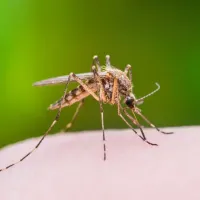
Arizona’s mosquito season runs from April through October—roughly 7 months. That’s significantly longer than northern states where mosquitoes are active for 4-5 months, and it’s one of the reasons mosquito control in Arizona requires a different approach than what works in cooler
Your Scottsdale home has the outdoor kitchen you planned for years. The resort-style pool with the rock waterfall. Professionally designed landscaping that requires a small fortune in monthly maintenance. Maybe you’re on a golf course with views that justify the premium you paid.

Phoenix presents a mosquito paradox. We live in the desert. It barely rains most of the year. Yet come April, mosquitoes make evening outdoor time miserable across the Valley.

It’s 7 PM on a Tuesday in July. The temperature’s finally dropped below 100. Your kids ask if they can play outside.
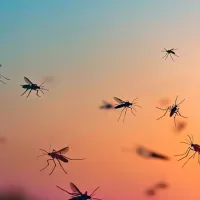
You’ve tried everything. Citronella candles burning on every table. Fans running at full blast. That mosquito repellent your neighbor swore by. Yet here you are, covered in bites, watching your family retreat indoors while your backyard sits unused.
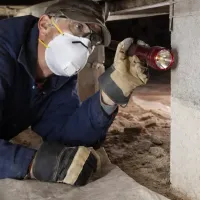
You walk through your home regularly. You clean, you organize, you notice when something’s out of place. So when a pest control technician finds termite damage in your attic or a scorpion harborage area you’ve walked past a hundred times, it feels frustrating.
How did you miss it?
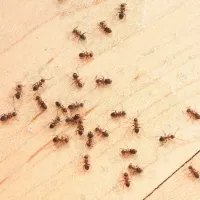
You’ve spotted a pest problem. Maybe it’s small. Maybe you think you can handle it yourself with a can of spray from the hardware store.
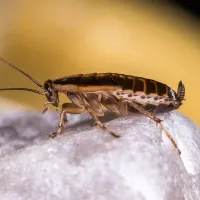
“How long until the bugs are gone?” It’s the first question most homeowners ask after scheduling pest control. The answer homeowners want to hear is “immediately.” The honest answer is more complicated.
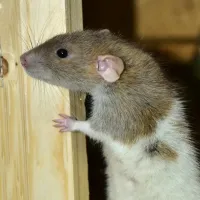
You find rodent droppings in your pantry. Your first thought might be disgust. Your second should be health concern.
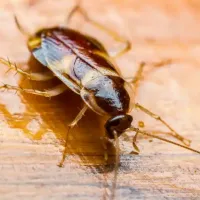
You schedule pest control. The technician treats your home. A week later, you’re seeing pests again. Did the treatment fail? Should you call and complain?

Your home doesn’t have holes in the walls or piles of garbage. Yet somehow, you’re dealing with recurring pest problems. The issue isn’t cleanliness—it’s maintenance.
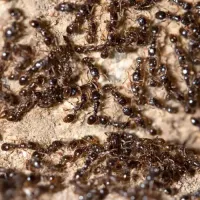
You bought the spray from the hardware store. You applied it exactly as directed. The ants disappeared for a week, maybe two. Now they’re back, and the colony seems bigger than before.
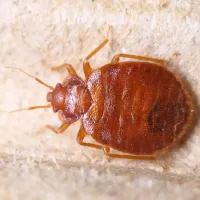
You kill a cockroach in your kitchen. Two weeks later, you’re seeing them again. You remove a wasp nest from your eaves. Next month, there’s another one. Why does pest control feel like an endless cycle?

You hear scratching in the walls at night. You find droppings in your pantry. Yet you’ve never actually seen a mouse or rat in your Arizona home.
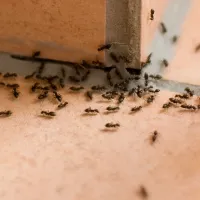
You spray, you trap, you seal every crack you can find—yet somehow, pests keep finding their way into your Arizona home. Understanding the biological drives behind pest behavior isn’t just fascinating; it’s essential for effective, long-term pest management.