Why DIY Pest Control Often Fails Long-Term
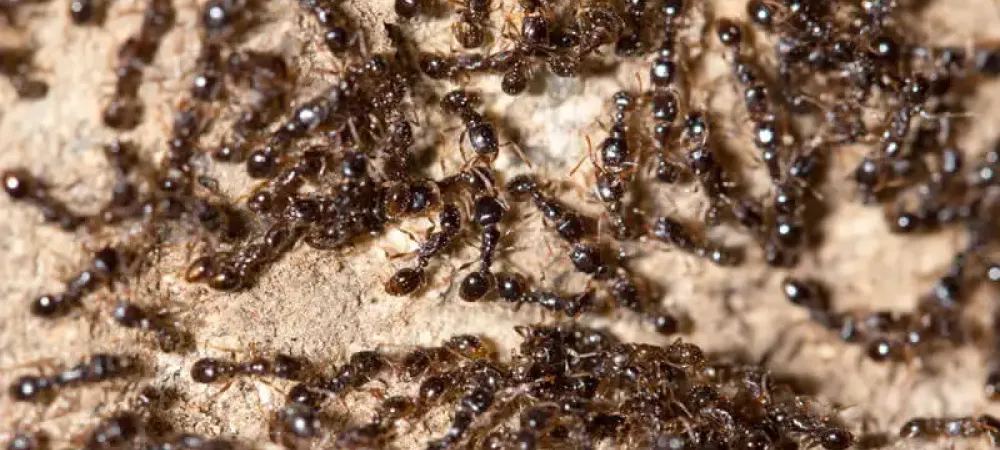
You bought the spray from the hardware store. You applied it exactly as directed. The ants disappeared for a week, maybe two. Now they’re back, and the colony seems bigger than before.
This isn’t your fault. DIY pest control often provides temporary relief while the underlying problem grows worse. Understanding why helps Arizona homeowners make informed decisions about when to handle pest issues themselves and when to call professionals.
Key Takeaways
- DIY products are intentionally limited: retail pesticides are weaker formulations that lack the residual effectiveness of professional products
- Application technique matters more than product: improper application often makes pest problems worse by causing colony fragmentation
- Pest biology works against DIY efforts: reproduction rates and survival mechanisms overcome sporadic treatments
- Hidden costs add up: repeated product purchases, wasted time, and potential property damage exceed professional service costs
- Some DIY methods work temporarily: understanding when DIY makes sense and when it doesn’t saves money and frustration
Why People Try DIY Pest Control First
Let’s be honest. Calling a pest control company feels like admitting defeat. It also feels expensive.
You see ants on your counter. The solution seems obvious: buy ant spray, kill the ants, done. It’s immediate, it’s in your control, and it costs $8 instead of $150 for a service call.
This logic makes perfect sense. And for some situations, it’s not wrong.
The problem isn’t that DIY pest control never works. It’s that it rarely works long-term for established infestations. Understanding the difference helps you make better decisions.
The Temporary Success Problem
Here’s what typically happens with DIY pest control:
Week 1: You spray. You see dead bugs. Victory feels sweet.
Week 2: Maybe a few stragglers appear, but mostly the problem seems solved.
Week 3-4: The pests return. Sometimes in greater numbers than before.
Week 5: You spray again. The cycle repeats.
This pattern frustrates homeowners endlessly. But it’s not random—it’s predictable based on pest biology and product limitations.
Why Initial Success Is Misleading
Most retail pest control products are contact killers. They kill the bugs they touch when wet. Some leave a residual that kills for a few days or weeks.
But here’s what you’re not killing:
The cockroach eggs protected inside egg cases. The ant colony 50 feet away in your wall void. The termite colony underground with a queen producing thousands of eggs daily. The scorpions hiding in foundation cracks during the day.
You’re eliminating the visible symptom (foraging ants, wandering roaches) while the source of the problem (the colony, the nest, the breeding population) remains untouched.
It’s like pulling dandelion flowers while leaving the roots. It looks better temporarily. But the problem isn’t solved.
Product Formulation Differences
Professional pest control products and retail products are fundamentally different. This isn’t just marketing—it’s chemistry and regulation.
Active Ingredient Concentrations
Professional products typically contain higher concentrations of active ingredients. A professional-grade permethrin product might be 36.8% active ingredient. The retail version you buy at the hardware store? Maybe 0.5-1%.
Professionals dilute their concentrated products according to the pest, location, and severity. Homeowners buy pre-diluted formulations designed for safety and general use.
Higher concentrations aren’t always better. But they provide flexibility that pre-mixed retail products lack.
Formulation Technology
Professional products use advanced formulations:
Microencapsulation: Active ingredients are contained in microscopic capsules that release slowly over time. This provides weeks or months of residual control. Retail products rarely use this technology.
Non-repellent chemistry: Professional products like Termidor and Phantom use chemicals that pests can’t detect. They walk through treated areas, pick up the product, and carry it back to the colony.
Retail products are often repellent—pests avoid treated areas. This seems good until you realize it just pushes the problem elsewhere in your house.
Transfer effect: Some professional products are specifically designed to spread through pest populations via contact and grooming. One termite touches a treated area and spreads it to dozens of colony members.
Retail products mostly kill on direct contact. No spread, no colony elimination.
Restricted Use Products
Many of the most effective pest control products are restricted-use pesticides. They require licensing to purchase and apply.
This isn’t arbitrary. These products require specific knowledge about:
- Proper dilution rates for different pests and situations
- Where to apply for maximum effectiveness and minimum risk
- Environmental conditions that affect performance
- Re-entry intervals for treated areas
- Personal protective equipment requirements
Homeowners legally cannot access these products. The retail alternatives are designed to be safer but necessarily less effective.
Application Technique Makes or Breaks Results
Even with professional-grade products, application technique determines success or failure.
Where to Apply
Most homeowners spray where they see pests. This misses the critical areas:
Cockroaches: You spray the kitchen counter where you saw one. Professionals treat wall voids, plumbing penetrations, appliance gaps, and other harborage areas where colonies actually live.
Ants: You spray the trail across your counter. Professionals apply bait along foraging routes and treat the outdoor nest location if possible.
Termites: You can’t effectively treat termites DIY. Professional termite control requires soil treatments, baiting systems, or fumigation—none of which are available or practical for homeowners.
Scorpions: You spray one you found in your bathroom. Professionals use black light inspection to find daytime hiding spots and treat foundation perimeters, wall voids, and attic spaces.
The difference isn’t just product—it’s knowledge of pest biology and behavior.
How Much to Apply
Too little product provides inadequate coverage. Too much wastes product, increases risk, and can actually repel pests from areas you’re trying to treat.
Professional applicators are trained on:
- Proper dilution ratios for different surfaces and pests
- Application rates (gallons per square foot or linear foot)
- Pressure settings for different surfaces and products
- Coverage patterns to avoid gaps and overlaps
Homeowners typically under-apply (trying to make the product last) or over-apply (more is better mentality). Neither works optimally.
When to Apply
Timing matters more than most people realize.
Ant control is most effective when ants are actively foraging. Apply bait when you see trails. Wait to spray until baits are consumed.
Mosquito control requires treating resting areas before peak activity times. Professional mosquito services time applications for maximum effectiveness.
Seasonal pests have specific windows when treatment is most effective. Treating too early or too late reduces efficacy.
DIY applications happen when homeowners have time, not when timing is optimal for pest control.
Pest Biology Works Against DIY Efforts
Understanding pest lifecycles reveals why DIY pest control struggles against established infestations.
Reproduction Rates Overwhelm Sporadic Treatment
A single German cockroach female produces 30-40 offspring every 28 days. If you kill 90% of a population but miss the remaining 10%, the colony recovers in weeks.
Professional treatments target multiple lifecycle stages and follow up at specific intervals based on development timing. DIY treatments happen when you notice pests, which is always too late and too infrequent.
Survival Mechanisms
Pests have evolved remarkable survival strategies:
Behavioral resistance: Ant colonies detect dead workers and may avoid bait or treated areas. Some cockroach populations have developed glucose aversion, making them avoid sweet baits.
Physical protection: Cockroach egg cases (oothecae) are impervious to most sprays. Termite mud tubes protect foraging workers. Scorpion exoskeletons resist many pesticides.
Colony fragmentation: When you spray ants with repellent pesticides, colonies sometimes split (budding). One colony becomes three or four. Your treatment made the problem worse.
Reinfestation pressure: Arizona’s outdoor pest populations constantly attempt to enter homes. Single treatments don’t prevent new invasions.
Professional pest control addresses these mechanisms with multiple tactics simultaneously.
Hidden Populations
You’re treating the 5% of the infestation you can see. The other 95% remains hidden:
- Inside wall voids
- Under insulation in attics
- In crawl spaces and subfloors
- Underground (for termites and some ants)
- In furniture, electronics, and other items
Professional treatments include inspection with specialized equipment (moisture meters, thermal imaging, borescopes) to locate hidden populations. DIY relies on guesswork.
Safety Concerns with DIY Application
Pesticides are designed to kill living organisms. Even “safe” retail products pose risks when misused.
Common Mistakes
Over-application: More is not better. Excess pesticide doesn’t kill pests faster but does increase exposure risk for you, your family, and pets.
Wrong product for the pest: Using a wasp spray on ants, or outdoor products indoors. Each pesticide is formulated for specific pests and situations.
Mixing products: Combining different pesticides can create dangerous chemical reactions. It doesn’t increase effectiveness.
Ignoring label directions: The label is the law. Not wearing recommended protective equipment or applying in prohibited areas violates federal regulations.
Contaminating food or water: Applying near food prep areas without proper precautions. Getting pesticide in swimming pools, ponds, or water features.
Special Risks in Arizona
Arizona’s climate creates unique safety concerns:
Heat increases volatility: Pesticides evaporate faster in extreme heat, increasing inhalation risk.
UV degradation: Sunlight breaks down many pesticides quickly, reducing effectiveness while residues remain.
Wind drift: Outdoor applications during windy conditions drift onto unintended areas—kids’ play equipment, pet areas, or neighbors’ properties.
Water runoff: Monsoon rains wash pesticides into storm drains, affecting wildlife and water quality.
Professional applicators are trained on environmental conditions and timing applications to minimize these risks.
When DIY Pest Control Makes Sense
Let’s be fair. DIY isn’t always wrong. Some situations are appropriate for homeowner treatment.
Good Candidates for DIY
Isolated, single-pest incidents: One wasp nest on your porch. A few ants that found a crumb. A spider in the garage.
Preventive measures: Caulking gaps, installing door sweeps, removing debris, and eliminating standing water are all excellent DIY prevention.
Monitoring and maintenance: Sticky traps to monitor pest activity. Regular cleaning to remove food sources. Outdoor vegetation management.
Minor ongoing issues: If professional treatment has controlled a pest problem, using retail products for occasional touch-ups between service visits can extend results.
DIY Products That Can Work
Some retail products are genuinely useful:
Diatomaceous earth: Mechanical killer (damages insect exoskeletons) that works in dry areas like attics. Slow but effective for crawling insects.
Boric acid: Effective for cockroaches when applied correctly in wall voids and hidden areas. Must be kept dry to work.
Traps and monitors: Sticky traps, snap traps for rodents, and monitoring devices help identify pest types and activity levels.
Physical barriers: Screens, door sweeps, gap sealers, and exclusion materials prevent entry. These are always worthwhile.
Horticultural oils and soaps: For plant pests in gardens. Less effective for household structural pests.
The key is matching the product to the situation and understanding its limitations.
The Hidden Costs of DIY
DIY pest control seems cheaper. But add up the real costs:
Direct Product Costs
You buy one spray: $12. It doesn’t work. You try a different brand: $15. Still seeing pests, so you buy bait stations: $20. Then you try a fogger: $25. Maybe a trap system: $30.
You’ve spent $102 on products that provided temporary or no relief. A professional service call would have been $150 and actually solved the problem.
Time Investment
How many hours have you spent:
- Researching products and reading reviews
- Shopping for pest control supplies
- Applying treatments
- Cleaning up after failed attempts
- Worrying about the problem
Your time has value. A professional handles everything in 1-2 hours while you do something you actually enjoy.
Property Damage
This is the big one. While you’re attempting DIY control:
Termites continue eating structural wood. Damage that could have been prevented with early professional treatment now requires expensive repairs.
Rodents chew wiring, creating fire hazards. They contaminate insulation with urine and feces, requiring replacement.
Carpenter ants excavate galleries in wood framing, weakening structural integrity.
The difference between a $300 professional treatment and $10,000 in structural repairs is just timing.
Health Risks
Pest-borne diseases don’t wait while you figure out DIY solutions:
- Mosquito-borne illnesses (West Nile virus, Zika)
- Rodent-borne hantavirus and salmonella
- Cockroach allergens triggering asthma
- Scorpion stings requiring emergency care
Professional control reduces these risks faster and more completely.
What Professional Pest Control Does Differently
Professional pest control services aren’t just about stronger products. It’s a systematic approach based on integrated pest management.
Comprehensive Inspection
Professionals identify:
- Pest species (critical for choosing treatment methods)
- Infestation severity and extent
- Entry points and conducive conditions
- Harborage and nesting areas
- Food and water sources
You can’t solve a problem you haven’t accurately diagnosed.
Multiple Treatment Methods
Professionals use combinations of:
Chemical treatments: Applied in specific locations based on pest biology, not just where pests are visible.
Baits: Formulated to attract specific pests and eliminate colonies, not just individuals.
Exclusion: Sealing entry points to prevent reinfestation.
Habitat modification: Recommendations for changes that make your property less attractive to pests.
Monitoring: Regular follow-up to catch problems early.
Treatment Timing and Follow-Up
Professional service schedules aren’t arbitrary:
Initial treatment addresses current activity and begins colony elimination.
Follow-up treatments (typically 14-21 days later) catch newly hatched pests before they can reproduce.
Ongoing monitoring maintains protection and catches new activity before it becomes an infestation.
This systematic approach breaks pest reproduction cycles instead of just reducing visible activity temporarily.
Liability and Guarantees
Professional services provide:
Licensed applicators: Trained, tested, and insured.
Service guarantees: If pests return between scheduled services, retreatment is free.
Insurance coverage: Protection if something goes wrong during treatment.
Documentation: Treatment records for real estate transactions and warranty purposes.
DIY has none of these protections.
The Middle Ground Approach
Smart homeowners use a combination approach:
Professional treatment for:
- Initial control of established infestations
- Regular preventive service (quarterly or bi-monthly)
- Specific problems like termites, bed bugs, or scorpions
- Situations requiring specialized equipment or restricted products
DIY maintenance for:
- Sanitation and cleaning between services
- Monitoring for new activity
- Exclusion work like caulking and sealing
- Outdoor habitat management
- Minor touch-ups between professional visits
This maximizes value while ensuring effective control.
Making the Right Decision
DIY pest control isn’t inherently bad. It’s just limited.
For minor, isolated pest issues, retail products can provide adequate temporary control. For prevention and maintenance, DIY measures are essential components of integrated pest management.
But for established infestations, recurring problems, or pests that pose health or property risks, professional service is almost always more effective and economical long-term.
At Fromms Pest Control, serving Phoenix, Gilbert, Scottsdale, Mesa, and surrounding Arizona communities, we don’t think DIY is the enemy. We think informed homeowners make better decisions.
Sometimes that means we recommend simple exclusion work you can do yourself. Sometimes it means explaining why your DIY efforts aren’t working and what professional treatment can accomplish.
If you’ve been fighting a pest problem with DIY methods and seeing only temporary results, it’s time to try a different approach. Our team combines professional products, proven techniques, and Arizona-specific pest knowledge to deliver results that last.
We’ll inspect your property, identify the specific pests and conducive conditions, create a customized treatment plan, and explain exactly what we’re doing and why. You’ll understand the science behind effective pest control instead of just hoping the next product you try finally works.
Contact us today for a comprehensive inspection. Sometimes the most cost-effective DIY decision is knowing when to call a professional.