Why Pests Enter Homes in the First Place (Biology Explained)
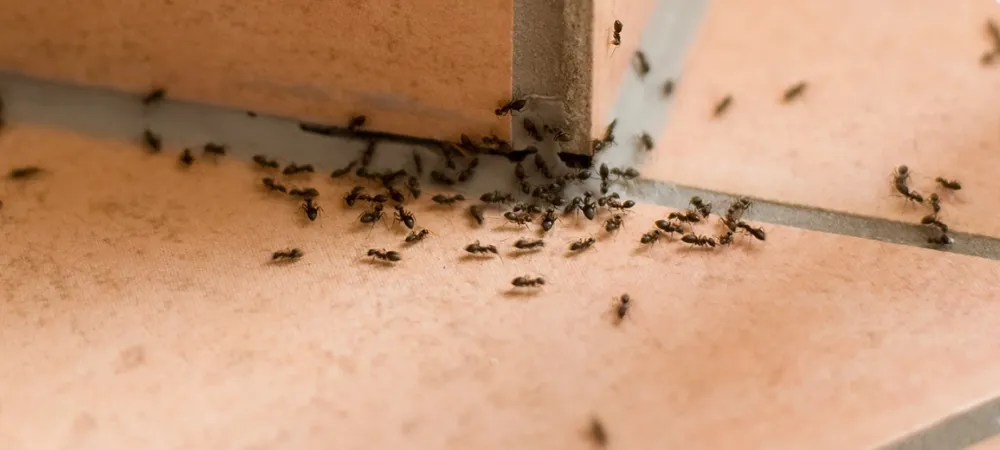
You spray, you trap, you seal every crack you can find—yet somehow, pests keep finding their way into your Arizona home. Understanding the biological drives behind pest behavior isn’t just fascinating; it’s essential for effective, long-term pest management. When you know what compels these unwanted visitors to invade your space, you can finally break the cycle.
Key Takeaways
- Pests are driven by three fundamental biological needs: food, water, and shelter—your home provides all three in abundance
- Arizona’s extreme climate creates unique pest pressures: scorching summers and mild winters drive pests indoors year-round
- Pest biology is more complex than simple attraction: sensory systems, reproductive imperatives, and survival instincts all play crucial roles
- DIY methods address symptoms, not causes: professional approaches consistently outperform temporary fixes
- Seasonal patterns trigger specific behaviors: different times of year activate distinct biological responses
Understanding Pest Motivation
Here’s the truth: when a scorpion enters your Phoenix home or an ant colony discovers your kitchen, they’re not being malicious. They’re responding to hardwired biological signals that scream: “Here is what you need to survive and reproduce.” Your home, unfortunately, broadcasts these signals like a beacon to the pest world.
Consider the sensory capabilities of common household pests. Cockroaches possess incredibly sensitive antennae that can detect a single crumb from across a room. Termites communicate through chemical signals called pheromones, creating invisible highways that lead thousands of colony members directly to wood sources. Rodents have an extraordinary sense of smell that can detect food through walls and packaging. These aren’t just neat biological features—they’re sophisticated survival mechanisms refined over millions of years.
The reproductive drive adds explosive pressure to pest invasions. A single German cockroach can produce up to 400 offspring in one year. House mice can have 5-10 litters annually, with 5-6 babies per litter. This means pests aren’t just seeking resources for themselves—they’re driven to find environments where their offspring can thrive. Your home’s controlled temperature, protection from predators, and abundant resources make it an ideal nursery for the next generation.
Arizona’s Climate Creates Unique Challenges
Living in Arizona presents specific challenges that intensify pest problems beyond what most regions experience. The extreme desert climate creates biological pressures that force pests to seek refuge in human structures more aggressively than in temperate zones.
During Arizona’s brutal summer months, when outdoor temperatures regularly exceed 110°F, many pests face a simple biological choice: find cooler shelter or die from heat stress. The temperature differential between your air-conditioned home and the scorching outdoors can be 40-50 degrees—a literally life-or-death difference for many species. Insects and arachnids can survive remarkable temperature extremes, but even their resilience has limits.
The Valley’s monsoon season introduces another biological trigger. From July through September, sudden humidity spikes and heavy rains flood underground burrows, disrupt food sources, and create temporary water abundance. These environmental shifts trigger specific behaviors in pest populations. Scorpions become more active and seek higher, drier ground—often meaning your home’s interior. Mosquitoes experience population explosions as standing water provides breeding grounds. Ants relocate entire colonies as soil moisture levels change.
Winter in Arizona presents a paradox. While milder than most of the country, nighttime temperatures still drop significantly, creating another survival pressure. Unlike northern states where pests die off or enter true hibernation, Arizona’s moderate winters allow pests to remain active—they just need somewhere warm to spend the cool nights. This means Phoenix homeowners face year-round pest pressure rather than the seasonal relief experienced in colder climates.
Water scarcity drives another biological imperative unique to desert environments. In nature, Arizona’s pests have adapted to survive on minimal moisture, but when they discover a reliable water source—a leaky pipe, a pet’s water bowl, condensation from air conditioning units—their biological programming compels them to establish residence nearby. This is why professional pest control in Arizona must address moisture issues alongside traditional treatment methods.
Three Fundamental Needs That Drive Pests Indoors
Every pest invasion ultimately traces back to one or more of three fundamental biological needs. Understanding how your home satisfies these needs explains why simple removal isn’t enough—you must address the underlying attractants.
Food Sources
Pests have evolved to exploit food sources that humans often don’t even recognize as edible. That sticky residue on your countertop from a spilled drink? To a German cockroach, it’s a feast. The microscopic skin cells that accumulate in carpet fibers? Dust mites find them delicious. The cellulose in your home’s wooden structural components? Termites consider it prime real estate and an all-you-can-eat buffet combined.
Different pests have specialized dietary requirements based on their biology:
- Silverfish consume starches and can live on the glue in book bindings or the sizing in fabrics
- Carpet beetles feed on natural fibers like wool and silk
- Pantry pests (beetles and moths) have evolved to digest materials that would be toxic to other organisms
The biological reality is that pests often have far less demanding nutritional requirements than humans. A mouse can survive on just 3-4 grams of food daily—less than a single cracker. A cockroach can live for months on just one meal if necessary, thanks to their unique ability to store nutrients and slow their metabolism. This biological efficiency means that even homes kept remarkably clean still provide sufficient food for pest populations to establish themselves.
Water Access
In Arizona’s arid environment, water represents an even more powerful attractant than food for many species. The biological need for water varies dramatically across pest species, but for desert-adapted pests, any reliable moisture source becomes a critical survival asset.
Cockroaches can survive weeks without food but only days without water. Their biological processes require consistent hydration, making homes with plumbing leaks or humid bathrooms irresistible. Rodents similarly need daily water access, which explains why they’re often discovered near water heaters, under sinks, or in laundry rooms.
Interestingly, some pests have evolved remarkable biological adaptations for moisture conservation that make Arizona’s dry climate less of a deterrent. Scorpions have a waxy coating on their exoskeleton that prevents water loss, allowing them to survive on moisture obtained from their prey alone. Desert-adapted ants can regulate their metabolism to minimize water loss. However, when these creatures discover homes with air conditioning condensation, irrigation leaks, or pet water dishes, their biology still drives them to exploit these resources.
Shelter and Protection
From a biological perspective, shelter means more than just a roof overhead. It means protection from predators, extreme weather, and competition from other species. Your home provides all of this in ways that make it superior to any natural habitat.
Temperature regulation is perhaps the most significant shelter benefit. Most pest species have optimal temperature ranges for biological processes like digestion, reproduction, and development. Insects are ectothermic (cold-blooded), meaning their body temperature matches their environment. A consistent 70-75°F indoor temperature allows for year-round activity and reproduction—a biological advantage impossible in Arizona’s wild temperature swings.
The structural complexity of homes creates countless microhabitats suitable for different species. Wall voids provide dark, protected spaces perfect for rodent nesting. Attic insulation offers both warmth and nesting material. Cardboard boxes in garages provide ideal harborage for spiders and beetles. Each architectural feature inadvertently creates conditions that satisfy specific biological requirements for different pests.
Common Arizona Pests and What Drives Them
Scorpions
Arizona hosts several scorpion species, with the bark scorpion being particularly concerning due to its venomous sting. These arachnids have existed for over 400 million years, and their biology is exquisitely adapted to desert survival. They hunt at night when temperatures drop, using specialized sensory organs on their legs to detect vibrations from prey.
Scorpions enter homes because the controlled environment offers better hunting opportunities—insects attracted to your home become prey for scorpions. Their flat bodies allow them to squeeze through gaps as thin as 1/16 of an inch. Biologically, they’re drawn to moisture and shelter during extreme heat. A professional scorpion control program addresses both the scorpions and their prey, breaking the biological chain that sustains them.
Termites
Termites represent one of the most biologically fascinating and destructive pests in Arizona. Their colonies function as superorganisms, with specialized castes all serving the queen, who can live 15-25 years and produce millions of offspring.
What makes termites particularly problematic is their biological specialization: they’ve evolved a symbiotic relationship with gut bacteria that allow them to digest cellulose—wood. Your home’s wooden structural components aren’t just attractive to termites; they’re their primary food source. The biological drive to locate, consume, and nest in wood makes termite infestations inevitable in untreated structures.
Cockroaches
Cockroaches showcase remarkable biological resilience. They can survive radiation levels that would kill humans, live for weeks without their heads (they eventually die from dehydration, not decapitation), and develop resistance to pesticides within a few generations.
Several species infest Arizona homes, each with distinct biology. German cockroaches prefer warm, humid areas near food sources like kitchens and bathrooms. American cockroaches, despite their size, can flatten their bodies to squeeze through tiny cracks. Their biology drives them indoors seeking consistent warmth, humidity, and food—all abundant in typical homes.
Rodents
House mice and roof rats are the primary rodent pests in Arizona homes. Their biology makes them formidable invaders: excellent climbers, swimmers, and jumpers with the ability to squeeze through openings as small as a dime. Their constantly growing incisors create a biological need to gnaw continually, which is why rodent damage often includes chewed wires, pipes, and structural materials.
Rodent biology includes remarkable reproductive capacity and quick maturation—a mouse is sexually mature at just six weeks old. This means a small rodent problem can become a major infestation within weeks. Their keen senses help them navigate your home’s interior, finding food stores and nesting sites with remarkable efficiency.
How Seasons Affect Pest Behavior
Arizona’s seasons trigger specific biological responses that create predictable pest patterns throughout the year:
Spring (March-May):
- Rising temperatures activate dormant insects
- Harvester ants swarm and establish new colonies
- Termites produce winged reproductives that swarm to start new colonies
- Biological drive to reproduce brings pests into contact with homes
Summer (June-August):
- Extreme heat drives pests indoors more aggressively
- Scorpions become more active in evening hours
- Heat stress causes pests to take greater risks seeking water
Monsoon Season (July-September):
- Humidity and flooding trigger mass pest movements
- Ants relocate entire colonies as soil moisture changes
- Mosquitoes explode in population due to standing water
Fall (September-November):
- Cooling temperatures trigger overwintering behaviors
- Rodents begin seeking indoor shelter
- Stink bugs congregate on sun-facing walls before moving inside
Winter (December-February):
- Pests remain active but seek warmer microclimates
- Rodent problems intensify as outdoor food sources decline
- Year-round activity continues unlike northern states
Why DIY Solutions Fall Short
Understanding pest biology reveals why over-the-counter products and home remedies consistently fall short of professional solutions:
Incomplete Treatment: Store-bought sprays kill visible pests but don’t address the biology driving infestations. If a cockroach colony lives in your wall voids, killing the few foragers you see in your kitchen leaves the reproductive core untouched. The queen continues producing offspring, and within days or weeks, you’re back to square one.
Adaptation and Resistance: Pest biology includes remarkable adaptive capabilities. Many pest species can develop resistance to pesticides within just a few generations—particularly cockroaches and flies with their rapid reproductive cycles. Professional pest control uses rotation strategies and professional-grade products that pests are less likely to develop resistance against.
Wrong Timing: Effective pest control must align with pest biology and life cycles. For example, treating for termites during their swarming season requires different approaches than mid-summer treatments. DIY approaches rarely account for these biological realities.
Symptom vs. Cause: Perhaps most importantly, commercial products kill pests but don’t modify the environmental conditions attracting them. Without addressing food sources, entry points, moisture issues, and harborage areas, you’re fighting a biological inevitability—more pests will come because the biological incentives remain.
The Professional Approach
Professional pest control services in Arizona employ Integrated Pest Management (IPM), a comprehensive approach that addresses pest biology holistically rather than simply applying pesticides. IPM begins with thorough inspection to understand which pests are present, what biological needs are drawing them, and where they’re harboring. This biological knowledge guides customized treatment plans.
Professional treatments target pests at vulnerable points in their life cycles. Treating for ants during reproductive swarming season can prevent establishment of new colonies. Addressing bed bug infestations requires understanding their hiding behavior and feeding biology to ensure complete elimination.
Exclusion work—sealing entry points—addresses the biological reality that pests will always be drawn to your home’s resources. By physically preventing access, professionals create barriers that biological drives cannot overcome. Monitoring and maintenance programs recognize that pest control isn’t a one-time event. The biological pressures that bring pests to your home don’t disappear after one treatment.
Making Your Home Less Inviting
The most effective long-term pest control involves modifying your home environment to make it biologically unsuitable for pests. Here’s how to address each of the three fundamental needs:
Moisture Control:
- Fix leaky pipes and ensure proper drainage
- Use dehumidifiers in damp areas like basements
- Address air conditioning condensation issues
- Eliminate standing water around your property
Food Storage and Sanitation:
- Keep food in sealed containers
- Clean up spills immediately
- Don’t leave pet food out overnight
- Store trash in sealed containers and remove regularly
- Regular cleaning removes food particles and clutter
Structural Maintenance:
- Seal cracks and gaps in your home’s exterior
- Install door sweeps on all exterior doors
- Repair damaged screens on windows and vents
- Fill holes around utility penetrations
- Keep plants trimmed away from your home’s exterior
By eliminating water sources, you remove one of the three fundamental biological needs. Proper food storage addresses the biological food drive that brings pests indoors. Structural maintenance prevents access to shelter regardless of biological motivation.
Protecting Your Arizona Home
Arizona’s unique environment creates biological pressures that make pest control more challenging—and more necessary—than in most other regions. The combination of extreme heat, minimal natural predators in urban environments, year-round activity potential, and abundant artificial resources creates ideal conditions for pest populations to thrive.
Understanding the biology behind pest invasions isn’t just academic knowledge—it’s practical information that explains why you face persistent problems and why professional intervention proves more effective than DIY approaches. Pests aren’t invading your home randomly; they’re following biological imperatives refined over millions of years of evolution.
At Fromms Pest Control, serving Phoenix, Gilbert, Scottsdale, Mesa, and surrounding communities, we combine biological knowledge with advanced treatment methods to provide effective, lasting pest management solutions. Our team understands that every pest species has unique biological requirements and vulnerabilities, allowing us to design customized programs that address your specific challenges.
Whether you’re dealing with termites threatening your home’s structure, scorpions endangering your family, rodents contaminating your living spaces, or any other pest problem, understanding the biology behind the invasion is your first step toward effective, permanent control. Don’t let biological inevitability win—contact us today to schedule a comprehensive inspection and learn how professional pest management can protect your Arizona home year-round.