The Lifecycle of Common Household Pests (Homeowner Guide)
You kill a cockroach in your kitchen. Two weeks later, you’re seeing them again. You remove a wasp nest from your eaves. Next month, there’s another one. Why does pest control feel like an endless cycle?
Because it is a cycle. Understanding the lifecycle of household pests explains why one-time treatments fail and why professional pest management focuses on disrupting reproduction, not just killing visible pests. Here’s what Arizona homeowners need to know.
Key Takeaways
- Pest lifecycles have vulnerable stages: targeting the right stage makes control dramatically more effective
- Reproduction rates are staggering: a single pregnant cockroach can lead to thousands of offspring in one year
- Lifecycle knowledge explains treatment timing: why professionals schedule follow-up visits at specific intervals
- Arizona’s climate accelerates many pest lifecycles: warm temperatures mean faster development and year-round breeding
- Different pests require different strategies: understanding each lifecycle reveals why there’s no one-size-fits-all solution
Why Lifecycle Knowledge Matters
Most homeowners think pest control is simple: see pest, kill pest, problem solved.
But that approach only addresses adult pests you can see. It ignores the eggs waiting to hatch, the larvae developing in hidden areas, and the pupae about to emerge as adults.
Professional pest control targets pests at multiple lifecycle stages simultaneously. It’s not just about killing what’s visible today—it’s about preventing what’s coming tomorrow.
The Four Basic Lifecycle Types
Pests follow different developmental patterns:
Complete Metamorphosis (egg → larva → pupa → adult): Includes ants, beetles, fleas, mosquitoes, and flies. Each stage looks completely different and may require different control methods.
Incomplete Metamorphosis (egg → nymph → adult): Includes cockroaches, termites, and stink bugs. Nymphs resemble small adults and gradually develop into mature forms.
Live Birth (no egg stage): Includes some species like certain aphids and, of course, rodents. These pests can reproduce faster since there’s no incubation period.
Simple Growth (arachnids): Scorpions and spiders have unique lifecycles. Scorpions give live birth, while spiders lay eggs that hatch into spiderlings.
Cockroach Lifecycle
Cockroaches are among the most problematic household pests in Arizona. Understanding their lifecycle explains why a small problem becomes a major infestation so quickly.
The Three Stages
Egg Stage: Female cockroaches produce egg cases called oothecae. Each case contains 16-50 eggs depending on the species. German cockroaches (the most common indoor species) produce an ootheca every 20-25 days.
The female carries the egg case until just before hatching, protecting it from predators and environmental threats. This makes egg-stage control nearly impossible—the eggs are literally armored and protected.
Nymph Stage: When eggs hatch, nymphs emerge. They look like miniature versions of adults but without wings. Nymphs molt 6-7 times over 2-3 months, growing larger with each molt.
During this stage, nymphs are vulnerable to treatments. However, they also hide in the same tight spaces as adults—wall voids, behind appliances, under sinks. If your treatment doesn’t reach these areas, nymphs survive and mature.
Adult Stage: Once mature, adults live 6-12 months. Females can produce 4-8 egg cases during their lifetime. Do the math: one female produces up to 400 offspring. If half are female, and each produces 400 more…
This is why you can’t just kill the adults you see. The next generation is already developing.
Why Timing Matters
Professional pest control treatments are scheduled based on lifecycle timing. The first treatment targets adults and accessible nymphs. Follow-up treatments 2-3 weeks later catch newly hatched nymphs from eggs that survived the first treatment.
Without that follow-up, you’re just temporarily reducing the population.
Arizona’s Impact
Arizona’s warm climate means cockroaches breed year-round. In colder climates, winter slows or stops reproduction. Not here. A German cockroach infestation can go from a few individuals to thousands in just a few months.
Termite Lifecycle
Termites cause more property damage in Arizona than any other pest. Their complex social structure and lifecycle make them particularly challenging to control.
Colony Development
Swarming and Establishment: Mature termite colonies produce winged reproductives (alates) that swarm, typically in spring. These swarmers find mates, shed their wings, and attempt to establish new colonies.
Most swarmers die. But those that succeed create new colonies that will threaten structures for decades.
Early Colony (Years 1-3): The newly mated king and queen start producing workers. Growth is slow initially—maybe 100-1,000 termites in the first year. The colony isn’t large enough to cause noticeable damage yet.
This is the danger period. Homeowners don’t know termites are present because there’s no visible evidence.
Mature Colony (Years 3+): Once established, colonies grow exponentially. A mature subterranean termite colony contains 60,000 to over 1 million individuals. They can consume about one pound of wood per day.
Now damage becomes noticeable. But years of hidden feeding may have already compromised structural integrity.
Individual Termite Development
Eggs: The queen lays eggs continuously. Eggs hatch in about 2-4 weeks, depending on temperature.
Larvae: Newly hatched larvae are fed by workers. They develop into different castes based on colony needs—workers, soldiers, or reproductives.
Workers: These are the termites that actually eat your house. They live 1-2 years and make up the bulk of the colony. Workers are sterile and never develop wings.
Soldiers: Larger heads and mandibles designed for colony defense. They can’t feed themselves and rely on workers. Also sterile.
Reproductives: When the colony matures, it produces alates that will swarm and attempt to establish new colonies.
Why Lifecycle Knowledge Is Critical
Termite control must address the entire colony, not just visible termites. That’s why professional treatments use methods like:
Liquid barriers that termites carry back to the colony, spreading through feeding and grooming behaviors.
Bait systems that exploit termite foraging behavior and social structure. Workers consume bait and share it with the colony, including the queen.
Tenting and fumigation for drywood termites that infest the wood itself rather than building underground colonies.
One-time spot treatments might kill some termites, but they leave the colony intact. The queen keeps producing thousands of eggs, and workers keep eating your house.
Seasonal Considerations in Arizona
Arizona has multiple termite species with different swarming seasons:
- Subterranean termites: February-April (after rain)
- Desert subterranean termites: Summer monsoons (July-August)
- Drywood termites: Late summer/fall (August-October)
Professional monitoring and treatment schedules account for these patterns.
Scorpion Lifecycle
Arizona is home to several scorpion species, including the venomous bark scorpion. Their lifecycle is unique among household pests.
Live Birth and Development
Gestation: Female scorpions are viviparous—they give live birth rather than laying eggs. Gestation lasts 7-12 months depending on species and environmental conditions.
Birth: Females give birth to 25-35 babies (some species up to 100). The pale, soft-bodied young immediately climb onto the mother’s back for protection.
Molting Stages: Baby scorpions (called scorplings) remain on the mother’s back through their first molt, which occurs about 10-14 days after birth. This first molt hardens their exoskeleton.
After leaving the mother, scorpions molt 5-7 times over 1-3 years before reaching maturity. Each molt makes them larger and darker.
Adult Stage: Once mature, scorpions live 3-5 years. They’re solitary hunters and only come together to mate.
Why They’re Difficult to Control
Scorpions’ long development time and extended adult lifespan mean populations build slowly but persistently. You can’t just eliminate one generation and be done.
Additionally, scorpions are remarkably resilient:
- They can survive for months without food
- They’re resistant to many pesticides
- They hide in cracks as thin as 1/16 inch during the day
- UV light makes them fluoresce, but only at night when they’re active
Treatment Strategies
Scorpion control focuses on:
Black light removal: Using UV lights to spot and physically remove scorpions at night when they’re active.
Residual barriers: Treating common entry points and harborage areas with products that remain effective over time.
Habitat modification: Removing debris, sealing entry points, and eliminating prey insects that attract scorpions.
Ongoing monitoring: Because scorpions live for years, control is an ongoing process, not a one-time treatment.
Arizona’s Scorpion Season
While scorpions are present year-round, activity peaks during warmer months (April-October). Mating occurs in spring and fall. Birth peaks in summer.
Understanding these patterns helps homeowners know when to be most vigilant and when professional monitoring is most critical.
Mosquito Lifecycle
Arizona’s monsoon season brings temporary but intense mosquito problems. Their rapid lifecycle explains why populations explode seemingly overnight.
Four Distinct Stages
Egg Stage (1-3 days): Females lay eggs in standing water. Some species lay eggs individually; others lay rafts of 100-300 eggs. Eggs can survive dry conditions for months, hatching when water returns.
This is why monsoon rains trigger sudden mosquito populations. Those eggs have been waiting.
Larva Stage (4-14 days): Larvae (called wigglers) live in water, feeding on organic matter and microorganisms. They molt four times, growing larger with each molt.
Larvae must surface to breathe through a siphon tube. This makes them vulnerable to surface treatments and biological controls.
Pupa Stage (1-4 days): Pupae (called tumblers) don’t feed. They’re in a transformation stage, developing into adults. Despite not feeding, they’re mobile and can dive when disturbed.
Adult Stage (2 weeks to several months): Adults emerge from the water. Males live about a week and feed on nectar. Females also feed on nectar but require blood meals for egg development.
A female can lay eggs every 3-4 days throughout her life. That’s potentially hundreds or thousands of offspring from a single female.
Why Control Is Challenging
The entire lifecycle from egg to adult can complete in as little as 7-10 days in Arizona’s summer heat. This means:
- Populations can explode rapidly after rain
- Multiple generations overlap throughout the season
- Treatment must target multiple stages simultaneously
Effective Control Methods
Professional mosquito control uses an integrated approach:
Larvicide applications in standing water that can’t be eliminated (ponds, water features, irrigation systems).
Adult mosquito treatments using residual barriers and fogging when populations are high.
Source reduction by identifying and eliminating breeding sites—the most effective long-term solution.
Timing applications around monsoon patterns for maximum effectiveness.
Monsoon Season Lifecycle Acceleration
Arizona’s summer monsoons create perfect breeding conditions:
- Warm temperatures (80-100°F) accelerate development
- Standing water from flash flooding provides breeding sites
- High humidity increases adult survival
A single kiddie pool, clogged gutter, or irrigation catch basin can produce thousands of mosquitoes in one week.
Ant Lifecycle
Arizona has numerous ant species, from tiny sugar ants to aggressive fire ants. Despite species differences, ant lifecycles share common patterns.
Complete Metamorphosis
Egg Stage (1-2 weeks): The queen lays eggs continuously. A single queen can produce thousands of eggs per day in some species. Eggs are tiny, white, and oval.
Larva Stage (1-2 weeks): Legless, grub-like larvae are fed by worker ants. They grow through several molts. Larvae are completely dependent on workers for food and care.
Pupa Stage (1-2 weeks): Some species form cocoons; others don’t. During this stage, the ant transforms from larva to adult form.
Adult Stage (varies by caste): Workers live a few months to a year. Queens can live 15-30 years in some species, continuously producing eggs.
Colony Lifecycle
Understanding colony development explains why ant problems are so persistent.
Founding Stage: A mated queen sheds her wings and searches for a nesting site. She lays eggs and raises the first workers herself, often not eating for weeks.
Ergonomic Stage: The first workers mature and take over colony tasks. The queen focuses solely on egg production. Colony growth accelerates.
Reproductive Stage: Mature colonies (usually 3+ years old) produce winged males and virgin queens that swarm to mate and establish new colonies.
Why Surface Treatments Fail
Killing ants you see on your counter addresses maybe 5-10% of the colony. The queen and thousands of workers remain in the nest, protected.
Professional ant control uses:
Baits that workers carry back to the colony, sharing with other workers and the queen.
Non-repellent treatments that ants don’t detect, allowing them to spread insecticide throughout the colony.
Colony elimination methods that target the entire nest, not just foraging workers.
Arizona Ant Patterns
Harvester ants swarm in spring. Fire ants are active year-round but peak in summer. Pavement ants become household pests during extreme heat when they seek water and climate-controlled environments.
Professional treatment timing accounts for these species-specific patterns.
Spider Lifecycle
Most Arizona spiders are beneficial predators. But some, like black widows and brown recluses, pose risks. Understanding their lifecycle helps manage populations.
Egg to Adult
Egg Stage: Females lay hundreds of eggs in silk egg sacs. Depending on species, a female may produce 1-20 egg sacs in her lifetime.
Spiderling Stage: Tiny spiderlings emerge from the egg sac. Many species practice “ballooning”—releasing silk threads that catch the wind, dispersing spiderlings over large distances.
Spiderlings molt 5-10 times before reaching maturity, growing larger with each molt.
Adult Stage: Adult spiders live 1-2 years, though some tarantulas can live 20+ years. Adults spend most of their time hunting or waiting in webs for prey.
Why Spider Control Targets Prey
Spiders eat insects. Where there are insects, there will be spiders.
Professional pest control reduces spider populations indirectly by eliminating their food sources. Fewer insects means fewer spiders.
Direct spider treatments focus on:
- Removing webs and egg sacs
- Treating common harborage areas
- Creating barriers around the home perimeter
- Addressing moisture and entry points
Black Widow Specifics
Black widows are Arizona’s most medically significant spider. Females live 1-3 years and can produce 5-10 egg sacs, each containing 200-900 eggs.
Not all spiderlings survive. But even a 1% survival rate means dozens of new black widows from a single female.
Professional treatments target adult females and egg sacs simultaneously, preventing population growth.
Bed Bug Lifecycle
While less common in Arizona than some regions, bed bugs are notoriously difficult to eliminate once established.
Egg to Adult in 5-6 Weeks
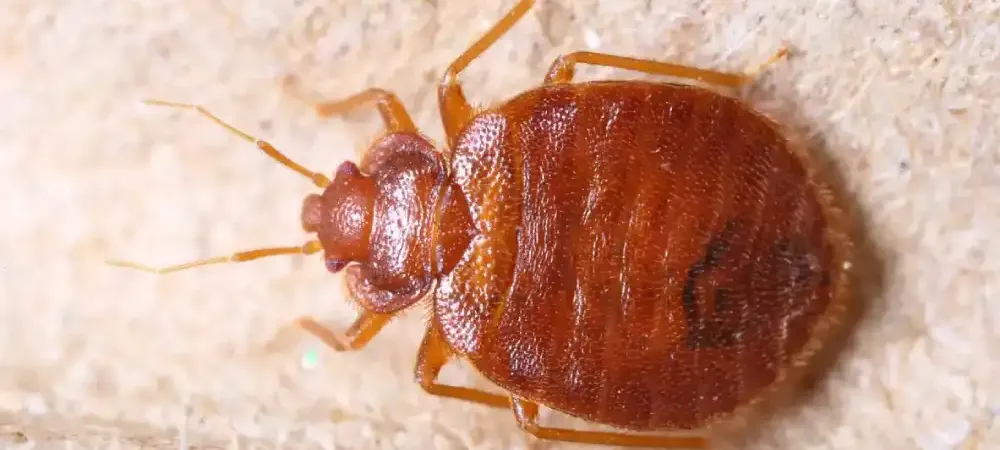
Egg Stage (6-10 days): Females lay 1-5 eggs per day, totaling 200-500 in a lifetime. Eggs are tiny (1mm), white, and cemented to surfaces.
Nymph Stages (5 molts over 3-5 weeks): Nymphs must feed on blood before each molt. They go through five nymphal stages, growing larger and darker with each molt.
Adult Stage (6-12 months): Adults can survive months without feeding. They hide in tight cracks during the day and feed at night.
Why DIY Treatments Fail
Bed bugs hide in incredibly tight spaces:
- Mattress seams and box springs
- Bed frame joints and screw holes
- Behind baseboards and electrical outlets
- Inside furniture crevices
- Behind picture frames and outlet covers
Over-the-counter sprays only kill exposed bugs. The hidden population survives and reproduces.
Professional treatment requires:
- Heat treatment (raising room temperature to 120°F+ to kill all stages)
- Chemical treatments applied to all potential harborage areas
- Follow-up treatments timed to catch newly hatched nymphs
- Preparation protocols to expose hiding spots
Temperature Impact
Arizona’s heat actually helps with bed bug treatment. Summer attic temperatures naturally reach lethal levels. However, this doesn’t help with infestations in living spaces where AC keeps temperatures comfortable for bed bugs year-round.
Putting Lifecycle Knowledge to Work
Understanding pest lifecycles reveals several critical truths about effective pest management:
Why one-time treatments don’t work: You might kill visible adults, but eggs and developing stages survive to repopulate.
Why follow-up treatments matter: Timing subsequent treatments to catch newly emerged individuals breaks the reproductive cycle.
Why prevention is more effective than reaction: Stopping reproduction before populations explode is easier than eliminating established infestations.
Why professional expertise makes a difference: Knowing when pests are most vulnerable, where they develop, and how to target each lifecycle stage separates effective control from temporary relief.
Integrated Lifecycle Management
Professional pest management doesn’t just kill pests—it disrupts their ability to reproduce and thrive in your environment.
This means:
Targeting vulnerable stages: Applying treatments when pests are most susceptible (larvae, nymphs, or recently hatched individuals).
Eliminating breeding sites: Removing conditions that allow reproduction (standing water for mosquitoes, wood-to-ground contact for termites, food sources for cockroaches).
Creating hostile environments: Making your home unsuitable for pest development through exclusion, sanitation, and habitat modification.
Monitoring and adjustment: Regular inspections catch new infestations before reproduction begins.
Working with Nature’s Timeline
You can’t rush pest elimination. Lifecycle biology sets the timeline.
Cockroaches require multiple treatments over 4-6 weeks to catch all developing stages. Termites need ongoing monitoring because colonies can take years to eliminate completely. Scorpions require persistent, long-term management because of their multi-year lifespans.
Homeowners who understand this are more successful with pest control. They follow treatment schedules, maintain monitoring programs, and address conducive conditions.
Those who expect immediate, permanent results from a single treatment are inevitably disappointed.
Getting Professional Help
Professional pest control services use lifecycle knowledge to create effective, customized treatment plans.
At Fromms Pest Control, serving Phoenix, Gilbert, Scottsdale, Mesa, and surrounding Arizona communities, we don’t just apply pesticides. We analyze pest biology, identify lifecycle stages present, time treatments for maximum effectiveness, and adjust strategies based on results.
Whether you’re dealing with cockroaches that seem to regenerate overnight, termites silently consuming your home’s structure, scorpions that appear despite repeated treatments, or mosquitoes that explode after every summer rain, understanding their lifecycles is the foundation of effective control.
Different pests require different approaches based on their unique biology. Our team combines lifecycle knowledge with Arizona-specific pest behavior patterns to deliver results that last.
If you’re tired of pest problems that never seem to resolve, it’s time to work with professionals who understand pest biology at every stage. Contact us today to schedule a comprehensive inspection and learn how lifecycle-based pest management can finally break the cycle in your home.