
How Rodents Get in Homes and Navigate Without Being Seen
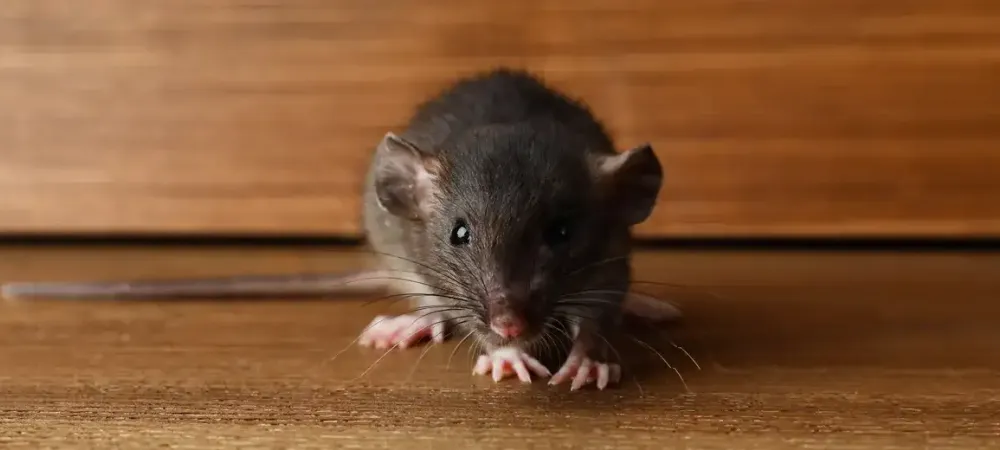
You hear scratching in the walls at night. You find droppings in your pantry. Yet you’ve never actually seen a mouse or rat in your Arizona home.
Understanding how rodents get in homes—and more importantly, how they move through your house like ghosts once inside—is the first step toward effective control. These creatures access food, water, and shelter while remaining virtually invisible, and it’s not by accident.
Key Takeaways
- Rodents use sophisticated sensory systems: whiskers, smell, hearing, and cognitive mapping allow navigation in complete darkness
- Your home has a hidden highway system: wall voids, utility lines, and structural gaps create invisible pathways rodents exploit
- Entry points are smaller than you think: mice squeeze through dime-sized gaps while rats need only quarter-sized openings
- Nocturnal precision timing: rodents have learned exactly when humans are least active
- Arizona’s construction creates unique vulnerabilities: desert architecture provides specific entry points and navigation corridors
How Rodents See in the Dark (Spoiler: They Don’t)
Rodents are nocturnal creatures that navigate complex environments in total darkness. Their sensory capabilities far exceed what most homeowners realize.
And here’s the thing—they don’t need to see you to avoid you.
Whiskers Do the Heavy Lifting
A rodent’s whiskers aren’t ordinary hairs. They’re sophisticated sensory organs connected to highly sensitive nerve endings. These whiskers are exactly as wide as the rodent’s body, which lets them determine if an opening is large enough to squeeze through without actually entering it.
Think of whiskers like a blind person’s cane, except they have dozens of them working simultaneously.
As rodents move through tight spaces, their whiskers constantly brush against surfaces. This creates a three-dimensional mental map of their environment. They can detect air currents, temperature changes, and subtle vibrations through these whiskers.
This is why you’ll often see rodent pathways along walls and baseboards. They’re using their whiskers to maintain contact with surfaces as they navigate.
Smell Creates Chemical Highways
Rodents have an olfactory system that’s remarkably more sensitive than humans. They can detect food sources from considerable distances. But smell serves an even more critical navigation function: scent marking.
Here’s what most people don’t know.
Rodents constantly urinate as they move, leaving microscopic droplets that create chemical pathways. These scent trails serve as highways for the entire rodent population in your home. Once a mouse discovers a route from its nest to your pantry, it marks that path with urine. Other mice can then follow this exact route.
That’s why you’ll often find concentrated rodent activity along specific pathways rather than random wandering.
This is also why professional rodent control programs don’t just remove rodents—they also address these chemical trails. Without eliminating the scent markers, new rodents will follow the same established routes.
They Can Hear You Coming
Rodents communicate and navigate using sounds that are completely inaudible to humans. They emit ultrasonic vocalizations (above 20 kHz) that serve multiple purposes: warning calls, mating signals, and navigation aids similar to echolocation.
Their hearing is so acute that they can detect your footsteps from considerable distances.
This auditory awareness is why rodents seem to vanish the moment you enter a room. They heard you coming long before you arrived. They can distinguish between the normal sounds of a house settling and the sounds that indicate human activity, allowing them to time their movements with precision.
Touch and Mental Mapping
Beyond whiskers, rodents have extremely sensitive touch receptors throughout their bodies. They prefer to maintain contact with surfaces as they move. This is why they follow edges rather than crossing open spaces.
Scientists call this behavior thigmotaxis. It’s hardwired into their navigation strategy.
But here’s what’s really impressive: rodents create cognitive maps of their environment. Studies have shown that mice and rats can remember complex route systems and adjust their navigation when familiar pathways are blocked.
They don’t just memorize a single route. They understand the spatial relationships between locations in your home and can find alternative paths when necessary.
Common Entry Points: How Rodents Get in Homes
Most homeowners underestimate how many entry points exist in their homes. Rodents don’t need obvious openings. They exploit vulnerabilities that most people would never notice.
Size Matters (Less Than You Think)
Many homeowners don’t realize just how small an opening rodents need to gain entry.
Mice can fit through gaps as small as a dime (6mm). Roof rats can squeeze through openings the size of a quarter (25mm). Norway rats require slightly larger gaps but can still fit through a half-dollar coin (30mm).
This means that openings you can’t even see provide easy access.
Foundation and Ground Level
The bottom of your home offers numerous entry opportunities:
- Foundation cracks from settling or age
- Gaps around utility penetrations where pipes, wires, and cables enter
- Weep holes in brick or block construction (designed for drainage but often exploited)
- Garage door gaps where the seal has worn down
- Crawl space vents without proper screening
In Arizona’s desert soil, foundation shifting is common. This creates cracks that may start small but grow over time, providing perfect entry points.
Wall and Mid-Level Access
Once you understand how rodents get in homes at ground level, you realize the walls present even more opportunities:
- AC line penetrations where refrigerant lines enter the home
- Dryer vents with damaged or missing flaps
- Electrical meter boxes with gaps around the mounting
- Window and door gaps where weatherstripping has failed
- Stucco cracks especially around window frames
Roof and Upper Level
Roof rats earned their name for good reason. They’re excellent climbers and often enter homes from above:
- Roof vents without proper screening
- Soffit and fascia gaps where materials don’t meet perfectly
- Roof-to-wall junctions common in Arizona’s flat roof designs
- Chimney openings without caps
- Gaps around roof-mounted equipment like swamp coolers and HVAC units
Trees and power lines provide highways to your roof. Roof rats can jump several feet horizontally and drop from considerable heights without injury.
The Hidden Highway System Inside Your Walls
Once rodents get inside, most homeowners think of their house as a series of rooms with solid walls between them.
Rodents see something entirely different.
Wall Voids Are Interstate Highways
The spaces between your interior and exterior walls are like highways for rodents. These voids typically run vertically from the foundation to the attic, with horizontal connections where walls intersect.
A rodent can travel the entire height of your home without ever entering a living space.
In Arizona homes, particularly those built with stucco exteriors, wall voids often contain minimal insulation. This creates ideal travel corridors. These spaces are dark, protected, and connect to multiple entry and exit points.
Think about it: a mouse can enter through a foundation crack, travel up through the wall void, and emerge in your attic. You’d never know it passed through.
Every Utility Line Is a Pathway
Every pipe, wire, cable, and duct that enters your home creates a potential rodent pathway. These utility penetrations are rarely sealed perfectly.
Even small gaps provide rodent access:
- Plumbing lines under sinks and behind appliances
- Electrical conduits in garages and utility rooms
- HVAC ducts connecting different areas
- Cable and internet lines entering through exterior walls
- Gas line penetrations in kitchens and laundry rooms
What makes these particularly problematic? They often connect directly from the exterior to interior spaces, bypassing traditional barriers. A roof rat can follow an electrical conduit from your attic, through a wall void, and emerge behind your refrigerator.
Attics Are Command Centers
Attics serve as rodent command centers in most infestations.
They provide safety from predators and human activity. There’s access to insulation for nesting material. Connection points lead to wall voids throughout the house. Multiple entry and exit routes exist through vents and roof gaps. And in Arizona’s extreme heat, attics offer some temperature regulation.
Arizona’s typically accessible attics with minimal insulation make them particularly attractive to roof rats, which prefer elevated nesting locations. From the attic, rodents can access virtually any room in the house by descending through wall voids.
Crawl spaces work the same way for mice and Norway rats, which prefer ground-level access.
Ceiling Spaces and Drop Soffits
Many Arizona homes have dropped ceilings in bathrooms, kitchens, and hallways that conceal plumbing and ductwork.
These create horizontal pathways that rodents exploit extensively.
A mouse can enter a bathroom ceiling space, travel horizontally to the kitchen, and drop down behind cabinets—all without ever being visible in a living space.
Soffits around kitchen cabinets are particularly problematic. The space between the top of your cabinets and the ceiling often connects directly to wall voids. It’s a highway from the attic to your food storage areas.
When Rodents Are Most Active
Rodents don’t just avoid detection through physical stealth. They also time their activities with remarkable precision based on your behavior patterns.
Peak Activity Windows
Rodent activity typically peaks during specific windows:
10 PM – 2 AM: The primary activity period when most humans are asleep. This is when rodents do the majority of their foraging, nest building, and exploration.
4 AM – 6 AM: A secondary activity peak before humans typically wake. Rodents often make final foraging trips during this window.
Daytime Activity: If you see rodents during daylight hours, it’s a red flag. It typically indicates one of two serious problems: either the infestation is so severe that overcrowding is forcing rodents to forage during dangerous times, or the rodent is sick.
They Learn Your Schedule
Rodents are remarkably intelligent. They learn household patterns quickly.
They notice when lights go out each night. When you leave for work in the morning. Which rooms are rarely entered. When pets are contained or sleeping. Weekend versus weekday schedules.
A mouse family living in your walls can distinguish between weekdays when you leave for work at 7 AM and weekends when you sleep until 9 AM. They adjust their activity accordingly.
This adaptive behavior makes them even more challenging to detect.
Seasonal Patterns in Arizona
Arizona’s climate affects rodent timing patterns.
Summer: Extreme daytime heat drives rodents to be strictly nocturnal. They may even adjust their peak activity to the coolest nighttime hours (3 AM – 5 AM).
Winter: Milder temperatures allow more flexible timing, but rodents still maintain primarily nocturnal behavior. However, you may see increased late afternoon and evening activity as they prepare for cooler nights.
Monsoon Season: Increased activity overall as weather disrupts outdoor food sources and floods burrows. Rodents may take more risks and be active during normally avoided times.
Why You Can’t See Them
Several factors combine to make rodent detection extremely challenging, even when you have an active infestation.
Movement Strategies
Rodents have evolved specific movement strategies to avoid detection:
Wall Following: By maintaining contact with walls and edges, rodents stay out of open sight lines. They instinctively avoid crossing the center of rooms where they’d be exposed.
Stop-and-Go Pattern: Rather than continuous movement, rodents move in short bursts followed by complete stillness. This pattern makes it difficult to track their location even if you hear sounds.
Vertical Agility: Roof rats are excellent climbers. They often travel along high ledges, tops of walls, and ceiling beams where humans rarely look.
Silent Movement: Rodents can move almost silently when necessary, adjusting their gait and speed based on perceived threat levels.
Signs They Leave Behind
While you may not see the rodents themselves, they leave evidence that reveals their navigation patterns and activity areas.
Grease Marks Tell the Story
As rodents repeatedly follow the same pathways, the oils from their fur create dark grease marks along walls, rafters, and pipes.
These marks are one of the most reliable indicators of established rodent highways.
Look for them:
- Along the base of walls, especially in corners
- On pipes and beams in attics and crawl spaces
- Around potential entry holes
- On the backsides of appliances against walls
Footprints and Tail Drags
In dusty areas like attics or garages, rodents leave distinctive track patterns. You’ll see four-toed front prints and five-toed rear prints. Tail drag marks appear between footprints, more common with roof rats.
Concentrated pathways show repeated travel routes.
You can test for active routes by spreading a light layer of talcum powder or flour in suspected areas. Check for fresh tracks after 24 hours.
Droppings Distribution
Rodent droppings aren’t randomly distributed. Their location reveals important information.
Concentrated droppings indicate nesting areas or frequent rest stops along travel routes. Scattered droppings along walls indicate active travel corridors.
Fresh droppings are dark and soft. Old droppings are gray and crumbly. Finding fresh droppings in an area you recently cleaned confirms active routes.
Size variations matter:
- Mouse droppings: 3-6mm, resembling rice grains
- Roof rat droppings: 12-18mm, sausage-shaped with pointed ends
- Norway rat droppings: 18-20mm, blunt ends
Gnaw Marks Reveal Activity
Rodents must constantly gnaw to keep their incisors from overgrowing.
Fresh gnawing shows light-colored wood or material, indicating recent activity. Strategic locations around door frames, window sills, and food containers show where rodents are trying to access resources.
Different materials show different gnaw patterns. Wood shows parallel grooves from incisor pairs. Plastic shows ragged edges.
Urine Trails
Under UV (black) light, rodent urine fluoresces, revealing their travel routes. Professional pest control technicians use UV lights during inspections to identify pathways that are otherwise invisible.
The smell of rodent urine becomes noticeable with larger infestations. It’s often described as musky or ammonia-like.
Arizona Construction Vulnerabilities
Arizona’s unique construction styles and climate create specific challenges for rodent detection and control.
Stucco and Block Walls
Many Arizona homes feature stucco exteriors over concrete block or foam insulation.
This creates large hollow spaces in block walls that rodents can inhabit. There are difficult-to-seal gaps around windows and doors in thick walls. Multiple layers provide protection from extreme temperatures.
Rodents can live entirely within these wall systems. Detection becomes nearly impossible without professional inspection techniques.
Flat and Low-Pitch Roofs
Common in Arizona architecture, flat or low-pitch roofs create unique vulnerabilities.
Parapet walls provide sheltered spaces for rodent entry. Roof-to-wall junctions are difficult to seal properly. HVAC equipment on roofs creates multiple penetration points. And there’s less obvious roof damage compared to sloped roofs.
Roof rats particularly exploit these features. They access attics through vents, gaps around equipment, and unsealed roof penetrations.
Outdoor Living Spaces
Arizona’s emphasis on outdoor living creates additional rodent corridors.
Built-in BBQs and outdoor kitchens provide food sources. Covered patios create protected pathways along the house perimeter. Water features attract rodents in the desert environment. Decorative block walls often connect to the house structure.
These features create a transition zone where rodents can move safely between outdoor and indoor environments.
Irrigation Systems
Arizona’s landscape irrigation creates permanent water sources that attract and sustain rodent populations.
Drip irrigation provides consistent moisture. Timer-based systems create predictable water availability. Irrigation boxes and valve covers provide harborage. Moisture around foundations attracts rodents to entry points.
Rodents learn irrigation schedules and plan their outdoor activity around water availability.
Professional Detection Methods
Professional rodent control services use specialized techniques to detect rodent activity and navigation patterns that DIY methods miss.
Thermal imaging can detect heat signatures of rodents in walls and voids, temperature differences indicating entry points, and moisture issues that attract rodents.
Moisture meters reveal urine accumulation in wall voids, water leaks attracting rodents, and areas of concentrated activity.
Inspection cameras (borescopes and fiber optic cameras) allow inspection of wall interiors without demolition, crawl spaces and tight areas, attic voids and soffits, and areas behind cabinets and appliances.
Professional-grade tracking powders reveal rodent pathways when applied in strategic locations. These powders stick to rodent feet and fur, marking their routes as they travel.
Motion-activated cameras placed in attics, crawl spaces, and other areas capture rodent activity patterns. This helps identify entry points and high-traffic areas.
Breaking the Navigation Network
Effective rodent control requires disrupting their ability to navigate your home safely and efficiently.
Exclusion Is the Foundation
The most effective long-term strategy is exclusion—physically preventing rodents from accessing your home.
Foundation level work includes sealing cracks and gaps, installing proper door sweeps on all exterior doors, screening foundation vents with 1/4-inch hardware cloth, and sealing gaps around utility penetrations.
Wall level requires filling gaps around pipes entering the home, sealing openings around electrical and cable entry points, repairing damaged stucco and sealing expansion joints, and installing brush strips on garage doors.
Roof level means screening attic vents properly, sealing roof-to-wall junctions, repairing damaged roof tiles or shingles, and installing chimney caps and vent covers.
Eliminating Scent Trails
Rodent urine trails can persist for months. They continue to attract new rodents even after the original population is removed.
Professional treatment includes enzymatic cleaners that break down urine markers, attic insulation removal in severe cases, sanitization of wall voids where accessible, and odor elimination treatments.
Habitat Modification
Making your home less navigable for rodents involves interior and exterior changes.
Interior: Remove clutter that provides harborage. Store food in rodent-proof containers. Keep pet food sealed and cleaned up. Address moisture issues that create drinking sources.
Exterior: Trim vegetation away from the house (minimum 3 feet). Remove ivy and dense groundcover against foundations. Eliminate outdoor food sources like fallen fruit and bird feeders. Store firewood away from the house. Keep garbage in sealed containers.
Strategic Trapping
Professional trapping programs target rodent navigation patterns.
Traps are placed along identified travel routes. Multiple trap types work for different species and locations. Strategic positioning is based on behavior patterns. Regular monitoring and adjustment ensures effectiveness.
When to Call for Help
While some homeowners attempt DIY rodent control, certain situations require professional intervention.
You should contact Fromms Pest Control if you hear sounds in walls or ceilings regularly, find droppings in multiple rooms, have tried DIY methods without success, see rodents during daylight hours, smell persistent musky or ammonia odors, find extensive gnaw damage, have young children or pets in the home, or are concerned about disease transmission.
Professional services provide comprehensive solutions that address not just the visible rodent problem but the entire navigation network they’ve established in your home.
The Bottom Line
Understanding how rodents get in homes—through gaps smaller than a dime and entry points you’d never notice—is just the beginning. Their remarkable ability to navigate once inside isn’t magic. It’s the result of millions of years of evolution creating sophisticated sensory systems and behavior patterns.
By understanding how they move through your Arizona home, you can better appreciate why simple solutions often fail. And why comprehensive professional treatment is necessary.
The invisible highways running through your walls. The chemical maps marked by urine trails. The precise timing that keeps them out of sight. The cognitive abilities that let them adjust to your patterns. All of these factors combine to make rodents among the most challenging pests to control effectively.
At Fromms Pest Control, we combine knowledge of rodent navigation biology with Arizona-specific construction challenges. We don’t just remove the rodents you know about—we eliminate their navigation networks, seal their entry points, and prevent future infestations.
If you’re hearing sounds in the night, finding evidence of uninvited guests, or simply want to ensure your home is protected, contact us today for a comprehensive inspection.
Understanding how rodents get in your home is the first step. Eliminating their ability to do so is where professional expertise makes all the difference.