
Detect the Earliest Signs of Termite Trouble
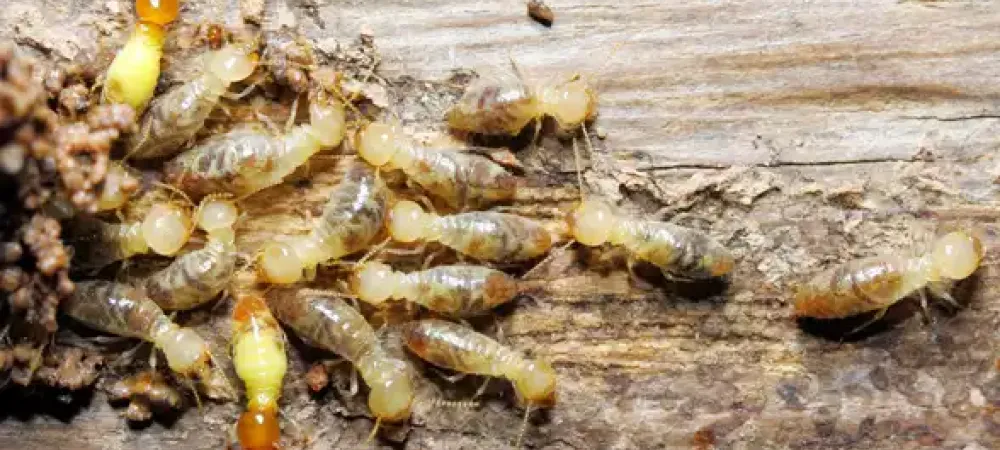
Arizona’s warm climate and desert conditions might be perfect for enjoying sunny days, but these same conditions can attract unwanted pests, especially termites. These tiny insects often invade a home without drawing attention to themselves. By the time you notice signs of their presence, you may already be dealing with significant structural damage. Knowing how to detect termites is key to protecting your home and avoiding costly repairs. Below, you’ll learn about common termite species in Arizona, the warning signs of infestation, and effective strategies for prevention.
Understanding Termites in Arizona
- Subterranean Termites
Subterranean termites are the most common type in Arizona. As their name suggests, they reside in underground colonies and build intricate tunnel systems to reach food sources. Since they rely on contact with soil, they are often found entering homes at the foundation. These termites require moisture to survive, so they thrive where plumbing leaks and damp areas offer them a steady water supply. - Drywood Termites
While subterranean termites live in soil, drywood termites exist entirely within wood. They don’t depend on contact with the ground for moisture and instead draw humidity from the air. Although they are less prevalent than subterranean termites in Arizona, drywood termites can still be found in attic beams, wall studs, door frames, and sometimes wooden furniture. Because they stay concealed within the wood, they can go unnoticed for prolonged periods.
Early Signs of a Termite Infestation
- Swarms or Discarded Wings
One of the clearest indicators of an active termite colony is a swarm of winged termites. These winged termites, also called alates, emerge to mate and form new colonies. After mating, they shed their wings, leaving behind small, translucent wing fragments. If you spot a swarm or notice tiny wings piled on windowsills, light fixtures, or near doors, it is a strong sign termites are nearby or possibly within your home. - Mud Tubes
Subterranean termites construct narrow mud tubes along foundations, walls, and other surfaces leading from the soil to their feeding sites. These tubes are usually about the width of a pencil and made of soil, wood particles, and termite saliva. If you see mud tubes anywhere inside or outside your home, especially around the foundation or in crawl spaces, it’s a red flag of subterranean termite activity. - Hollowed or Damaged Wood
Because termites feed on cellulose, wood that appears solid on the outside may have extensive internal damage. If you tap on wooden surfaces with a screwdriver or blunt object and hear a hollow, papery sound, this might indicate termite damage. You might also discover small tunnels or channels within the wood itself. Gently press a thin tool into the wood; if it easily punctures or flakes, you may have an infestation. - Frass (Wood Pellets)
Drywood termites produce small, pellet-like droppings called frass. These resemble tiny grains of sand or sawdust. If you observe small mounds of frass around windowsills, near wooden baseboards, or at the edges of wooden furniture, this could signal a drywood termite infestation. - Bubbling or Blistered Paint
As termites tunnel and consume wood beneath the paint, the exterior may take on a blistered or bubbled appearance. It might look like water damage, but the real culprits could be termites tunneling just beneath the surface.
Factors That Increase Your Home’s Risk
- Moisture and Humidity
Even though Arizona is known for its arid desert environment, moisture still accumulates around homes in various ways. Leaky pipes, sprinkler systems, or air conditioning units can create localized damp spots that attract subterranean termites. Ensuring proper drainage, fixing leaks, and maintaining a dry environment can reduce the chance of termite infestation. - Direct Wood-to-Soil Contact
If parts of your home’s wooden structure come into direct contact with the soil, you have effectively given subterranean termites an open invitation. Deck posts, fences, woodpiles, and even landscaping timbers can all make it easier for termites to reach your home. Keep these items elevated off the ground whenever possible, and avoid placing wooden materials directly against your exterior walls. - Unsealed Cracks and Gaps
Termites can slip through extremely small openings. Small cracks in your foundation, gaps around plumbing or wiring penetrations, and poorly sealed windows or doors provide easy entry points. Inspect your home regularly, caulk any visible gaps, and ensure all door and window frames are properly sealed.
Best Practices for Prevention and Inspection
- Regular Professional Inspections
A yearly or bi-annual inspection by a licensed termite professional is one of the most reliable ways to detect and treat a potential problem. Skilled inspectors know how to find even the most subtle signs of termite activity. Catching an infestation early can make all the difference in minimizing damage and treatment costs. - Minimize Moisture
Subterranean termites thrive where moisture levels are higher. Repair leaky faucets, pipes, or fixtures immediately to prevent water from building up and soaking into the surrounding wood. Ensure that your yard and the area around your home drain properly by grading the soil away from the foundation. - Maintain a Clear Perimeter
Keep vegetation, mulch, and garden beds a few inches away from your home’s foundation. If you use mulch, opt for materials like gravel or rubber alternatives rather than wood-based mulch that could attract termites. Also, consider storing firewood or scrap lumber off the ground and away from the main structure of your house. - Routine Self-Checks
In between professional inspections, conduct your own routine checks. Look for mud tubes around the home’s exterior, examine wood for damage, and watch for signs of swarms or discarded wings, particularly during monsoon season when humidity can rise. Doing these simple checks throughout the year can help you catch an issue early.
If you notice active swarms, mud tubes, hollow-sounding wood, or frass, contacting a professional termite control company is essential. Specialists can perform a thorough inspection, identify the extent of the infestation, and recommend appropriate treatments, such as spot treatments, fumigation, or specialized bait systems. Regular follow-up inspections might be needed to ensure the termites have been fully eradicated and to prevent future infestations.
Termites may be small, but their ability to inflict massive damage makes them a big concern for Arizona homeowners. Recognizing the first signs of an infestation can prevent a minor nuisance from turning into an expensive nightmare. Inspect your home regularly for discarded wings, mud tubes, wood damage, and other warning signals. Properly maintaining your home by sealing gaps, reducing moisture, and storing wood off the ground can deter termites from taking up residence. Most importantly, don’t hesitate to reach out to a termite professional if you suspect an infestation. By staying alert and practicing effective prevention strategies, you can protect your Arizona home from one of nature’s most destructive pests and enjoy peace of mind all year long.