About Hornets
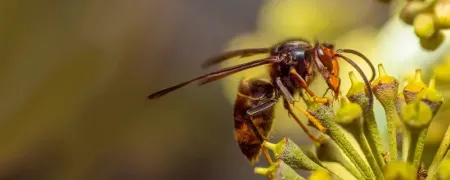
Hornets are aggressive stinging insects that build large papery nests in trees, rooflines, sheds and protected corners around Arizona homes. They look similar to wasps but are larger, louder, and more defensive of their colony. When hornets settle onto a property, they can make outdoor spaces unsafe for kids, pets, and anyone who walks too close to their nest.
Their sting is painful, and when a nest feels threatened, multiple hornets can attack at once.
Common Hornets Seen in Arizona
Fromms Pest Control removes hornet nests across Phoenix, Mesa, Scottsdale, Chandler, Peoria, Glendale and nearby areas. We identify the species, locate the nest, treat it safely and remove it so the colony does not rebuild in the same spot.
True hornets are not as common in Arizona as paper wasps or yellow jackets, but residents still encounter similar large wasp species. The species most people call hornets include:
European Hornet
A large hornet species known for its loud buzz and sizeable paper nests. Rare in Arizona but occasionally spotted in transported materials.
More info: European hornet on Wikipedia.
Yellow Jacket
Often mistaken for hornets because they swarm aggressively and defend nests. They build underground nests and wall void nests and are common in Arizona.
More info: yellow jackets on Wikipedia.
Bald Faced Hornet
Technically a type of yellow jacket, but widely considered a hornet due to size and nest structure. Known for large hanging paper nests found in trees or structures. Rare but possible in shaded Arizona areas.
More info: bald faced hornet on Wikipedia.
Even though Arizona does not have as many true hornet species as other states, homeowners regularly report hornet-like insects that behave aggressively and require removal.
Where Hornets Nest in Arizona
Hornets and hornet lookalikes build nests in sheltered, shaded or elevated locations. Common nest locations include:
- trees and high tree branches
- under roof eaves and rooflines
- attic ventilation openings
- inside sheds or exterior storage rooms
- under patio awnings or balcony structures
- wall voids and hollow cavities
- play structures or unused outdoor equipment
Nests begin small but expand quickly. A full season nest can hold hundreds to thousands of hornets.
Signs of a Hornet Problem
- large papery nest attached to a structure or tree
- increasing hornet activity around one area of the yard
- loud buzzing when you approach a certain corner or roofline
- multiple hornets flying in and out of a small opening in a wall
- aggressive behavior when you get near the nest
If you see a nest bigger than a baseball, you are already dealing with an established colony.
Why Hornets Are Common in Arizona
Arizona’s climate encourages stinging insects because of:
- warm temperatures most of the year
- abundant desert insects for food
- shaded urban neighborhoods with ideal nesting pockets
- irrigated yards and fruit trees that attract prey insects
Monsoon season increases activity as moisture boosts insect populations, which gives hornets more food and encourages nest growth.
Are Hornets Dangerous?
Yes. Hornets react aggressively when disturbed. Unlike bees, hornets can sting repeatedly. Their stings are painful and can cause swelling, allergic reactions and medical emergencies in sensitive individuals.
Hornets are especially dangerous when:
- the nest is near a doorway, walkway or play area
- children or pets spend time near the nest
- the colony becomes large in late summer or fall
- they feel vibrations, voices or movement near the nest
Never attempt to remove a hornet nest yourself. Even small nests can trigger aggressive swarms.
DIY Hornet Control vs Professional Removal
DIY sprays and foams are risky and usually ineffective. Hornets react instantly to disturbance and will swarm anyone attempting to spray or knock down their nest. Most DIY treatments fail because:
- sprays rarely reach the queen or inner layers of the nest
- hornets exit from multiple hidden openings
- some species return and rebuild the nest in the same area
Fromms Pest Control uses safe, professional methods that include:
- treating the nest at the correct time of day when activity is lowest
- removing the nest completely
- treating structural openings to prevent rebuilding
- checking for secondary nests or hidden chambers
We also inspect surrounding areas to make sure there are no additional colonies preparing to expand.
How Hornets Get Near or Inside Arizona Homes
- openings in roof eaves or attic vents
- cracks around fascia boards
- spaces between stucco and trim
- tree branches touching the home
- unused equipment or cluttered sheds
If hornets are entering a specific wall opening, the colony may be developing inside the structure.
Hornet Prevention Tips
You can reduce hornet activity by:
- removing yard debris or old furniture
- trimming tree branches away from the house
- sealing entry points around roofs and vents
- keeping trash cans tightly closed
- reducing fallen fruit or food sources that attract insects
Even with prevention, hornets often build nests in hidden or unreachable places. Professional removal is strongly recommended.
Fromms Pest Control: Hornet Removal for Arizona Homes
Fromms Pest Control has more than 20 years of experience removing hornet nests safely. We identify the species, locate the nest, treat it correctly and remove it so the colony does not return. Our team works carefully around homes with kids, pets and high traffic areas.
If hornets are active near your roofline, patio or yard, pair removal with our general pest control program to reduce the insects they feed on.
Request a hornet inspection from Fromms Pest Control