Rodent Control in Goodyear, AZ
If you have heard something moving in your attic at night or found droppings along your walls, there is a good chance you have a rodent problem. Roof rats are common throughout the Phoenix Valley, and mice, Norway rats, and squirrels add to the pressure depending on where you live. These animals get into structures through small gaps, nest in insulation, chew wiring, and leave behind waste that carries real health risks. The longer they go unaddressed, the more damage they do.
Fromms Pest Control handles rodent problems with a structured approach that starts with trapping and an inspection to identify where animals are getting in and where they are active. From there, you choose the ongoing solution that fits your property.
Rodent control in Goodyear from Fromms Pest Control covers:
- Roof rat trapping and removal
- Mouse control and removal
- Squirrel removal
- Rodent inspection and activity assessment
- Entry point identification
- Exclusion and physical sealing of access points
- Monthly exterior bait station service
- Ongoing perimeter population management
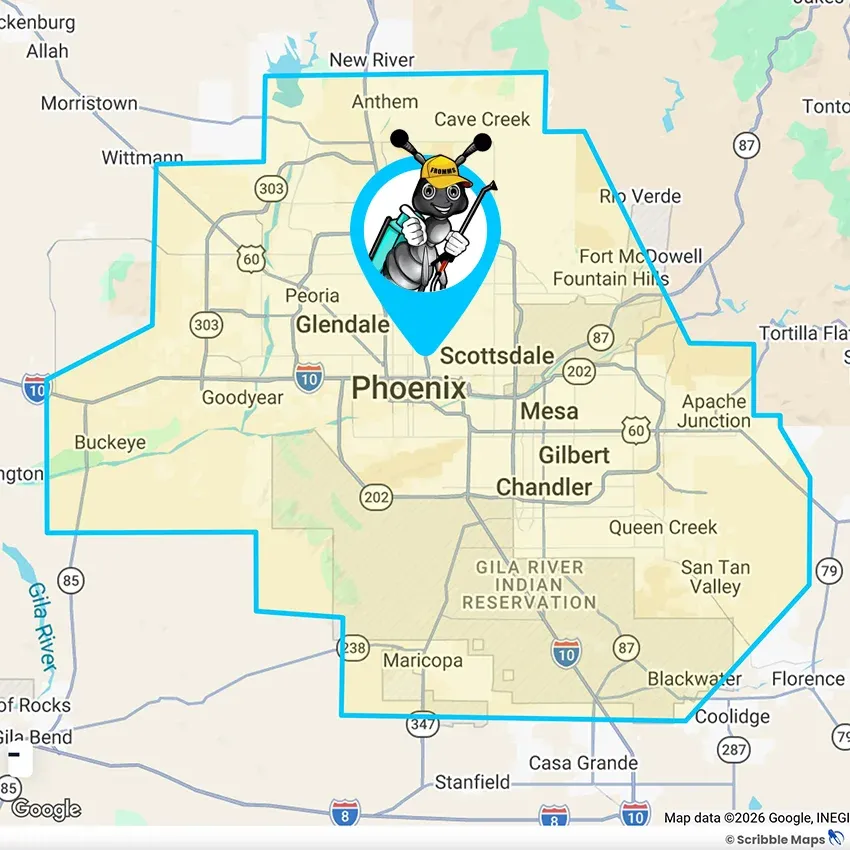
A single visit removes what is inside, but without exclusion or ongoing bait management, re-infestation is common in neighborhoods with citrus trees, heavy landscaping, or adjacent open desert. Fromms Pest Control offers recurring services to keep exterior pressure down and catch new activity before it becomes a bigger problem inside your home. Located elsewhere than Goodyear? We also provide rodent removal services in Glendale and surrounding cities!
Additional Services in Goodyear
About Our Goodyear Rodent Removal Process
Roof rats, mice, and squirrels are a consistent pressure in Goodyear, and effective Rodent Control starts with understanding how they move, where they enter, and what is sustaining the population around your property. Citrus trees, utility lines, block walls, and unsealed plumbing penetrations are all part of how rodents reach and access structures here. Chewed wiring, contaminated insulation, and droppings carrying pathogens like Hantavirus and Leptospirosis are the downstream costs of letting an active infestation go unaddressed.
Here is how the process works:
- A thorough inspection identifies active signs of rodent activity, including droppings, grease trails, gnaw marks, and nesting evidence, along with confirmed and potential entry points around the structure.
- Traps are deployed first, targeting the active population based on what was found during the inspection.
- After the initial trapping phase, you choose between physical exclusion, which seals entry points using wire mesh, hardware cloth, caulk, and expanding foam, or monthly exterior bait station service that suppresses the surrounding population on an ongoing basis.
- Monthly follow-up visits maintain pressure on the exterior population and catch new activity early before it becomes a structural or health issue.
Why Homeowners in the Phoenix Valley Choose Fromms Pest Control
Fromms Pest Control sends the same technician to your property on every visit, which means the person treating your home already knows its layout, its pressure points, and its history. There are no contracts locking you in, no surprise fees, and if covered pests return between scheduled visits, Fromms Pest Control comes back at no additional charge. Phones are monitored around the clock, so if something comes up between visits, you are not waiting until Monday morning for a response.
We Offer Goodyear Rodent Control and More!
One Company for Every Pest, Indoors and Out
Whether you're dealing with rats in the attic, mice sneaking in through the walls, or squirrels causing problems in the yard, Fromms Pest Control handles it all under one roof. You won't need to call around to different companies, deal with multiple billing accounts, or explain your situation from scratch every time someone new shows up. One team, one point of contact, and one consistent approach every visit. That kind of setup just makes the whole process a lot less stressful.
Signs of Rodents in Your Goodyear Home
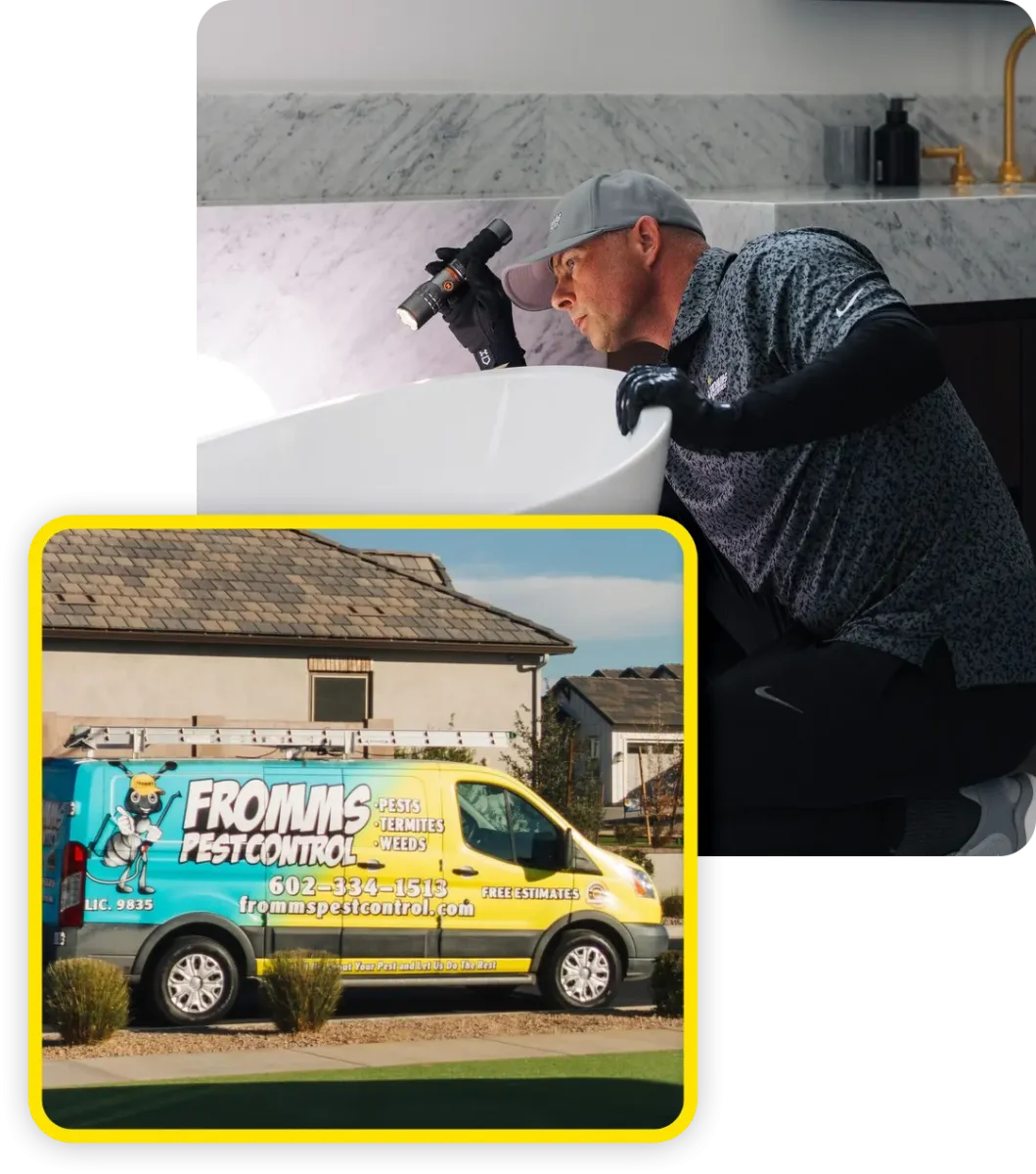
Rodents are good at keeping out of sight, but they almost always leave evidence behind. Most homeowners in Goodyear notice something is off before they ever see an actual rat or mouse.
Common signs of a rodent problem in Arizona homes include:
- Scratching or scurrying sounds in the attic, walls, or ceiling at night
- Small dark droppings along baseboards, in cabinets, or near food storage areas
- Gnaw marks on wood, plastic pipes, electrical wiring, or food packaging
- Greasy smear marks along walls or rafters where rodents travel repeatedly
- Nesting material such as shredded insulation, paper, or fabric in out-of-the-way areas
- Partially eaten or hollowed-out citrus fruit on or beneath trees
- Pet behavior changes, like dogs or cats fixating on walls, cabinets, or corners
Roof rats in particular are most active after dark, which means a homeowner can have a well-established population in the attic long before any signs show up at eye level. The longer rodent activity goes unaddressed, the more exposure there is to chewed wiring, contaminated insulation, and pathogens found in droppings and urine. Knowing what to look for is the first step toward getting the situation under control.
Effective Goodyear Rodent Exclusion Services
Rodents don't just wander in by accident. They follow the same routes repeatedly, using utility lines, block walls, and tree canopies to reach your roofline, then find gaps in fascia boards, open weep holes, deteriorated weatherstripping, and unsealed plumbing penetrations to get inside. Once they find a way in, they use it. Exclusion is how you close those routes for good. Fromms Pest Control inspects the full exterior of your home, identifies confirmed and likely entry points, and seals them using materials suited to each opening type. That means hardware cloth, wire mesh, caulk, and expanding foam placed where they'll hold up over time. In the Phoenix Valley, older block construction, tile rooflines, and properties with heavy citrus or palm coverage create specific vulnerabilities that influence where we focus exclusion work. A standard approach doesn't account for those differences, so we don't use one. The goal is to prevent rodents from re-entering after an active population has been removed.
Long-Term Rodent Prevention Starts with Sealing the Structure
The most common entry points we find and seal include:
- Gaps where plumbing and electrical lines penetrate the exterior wall or roofline
- Weep holes and open block cavities along the foundation
- Deteriorated or improperly fitted weatherstripping around doors and garage frames
- Unsealed soffits, fascia gaps, and roof returns where rooflines meet walls
- Openings around HVAC lines and conduit that pass through exterior surfaces
- Areas where roof rats have chewed or forced entry in previous activity
Exclusion delivers something ongoing bait management alone cannot: a physical barrier that stops re-entry at the source.