Rodent Control in Surprise, AZ
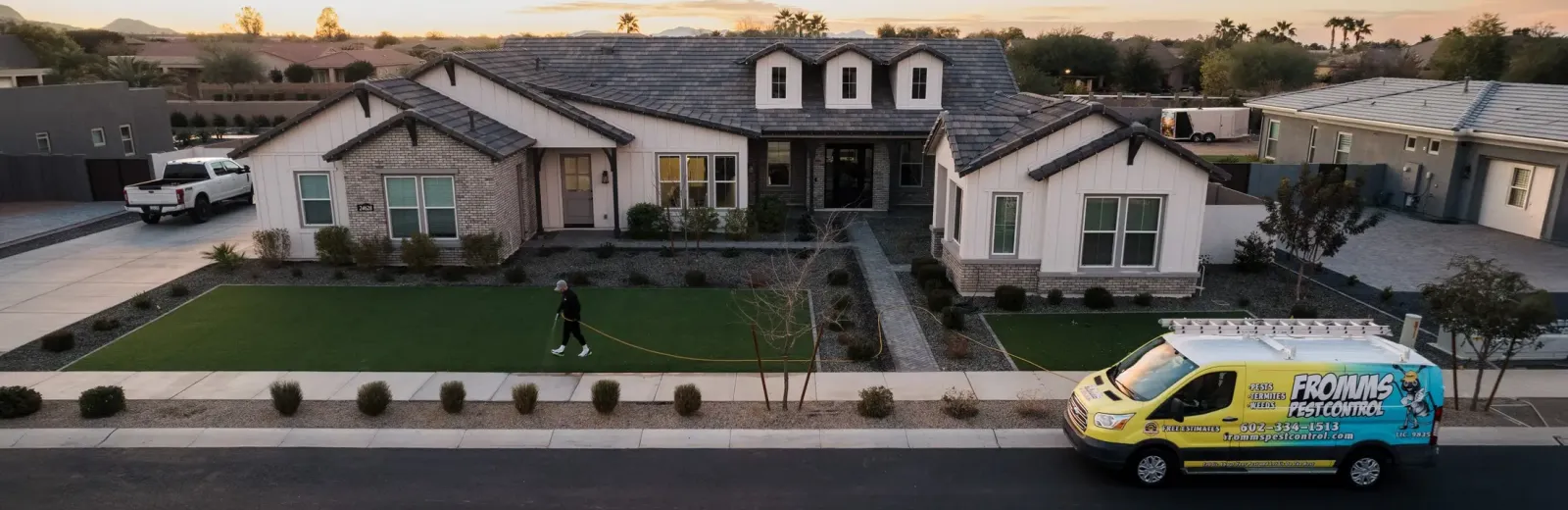
Roof rats are active across Phoenix neighborhoods year-round, and once they find a way in, they do not leave on their own. In areas with citrus trees, block walls, and mature landscaping, rodent pressure from the surrounding environment is constant. Fromms Pest Control handles the full process, from locating where rodents are getting in to removing the ones already inside and keeping new ones from following.
Here is what rodent control from Fromms Pest Control in Surprise covers:
- Rodent inspection and activity assessment
- Trap deployment and active population removal
- Roof rat control
- Mouse extermination
- Squirrel removal
- Entry point identification
- Rodent exclusion and physical sealing
- Monthly exterior bait station service
- Recurring perimeter management
A one-time visit can remove what is currently inside, but without exclusion or ongoing bait management, re-infestation in high-pressure neighborhoods is common. Fromms Pest Control sets up a plan that addresses both the active problem and the population pressure around your home so the issue does not come back.
Additional Services in Surprise
About Our Surprise Rodent Removal Process
Roof rats, mice, and squirrels are a genuine structural and health concern in Surprise, and Rodent Control in the Phoenix Valley requires more than trapping alone. Citrus trees, block walls, and palm trees create travel corridors that keep exterior populations self-sustaining, which means one visit rarely holds long-term.
Here is how Fromms Pest Control handles it:
- Inspect the structure for active signs including droppings, gnaw marks, grease trails, and nesting material, then identify confirmed and likely entry points.
- Deploy traps as the primary method for addressing the active population, placed based on inspection findings.
- Present two ongoing options after the trapping phase: physical exclusion using wire mesh, hardware cloth, caulk, and expanding foam to seal entry points, or monthly exterior bait station maintenance to suppress the surrounding population on a continuous basis.
- Return monthly to service bait stations or assess exclusion integrity, depending on the approach selected.
Why Fromms Pest Control Is the Right Call for Rodent Control
Fromms Pest Control sends the same technician to your property each visit, which means the person servicing your home already knows the layout, the pressure points, and what was done before. There are no contracts required, and if rodents return between scheduled visits, Fromms Pest Control comes back at no additional charge. Phones are monitored around the clock, so if something is moving in your attic at 11 p.m., you are not waiting until Monday for a callback.
We Offer Surprise Rodent Control and More!
One Roof, One Team, Every Pest
Fromms Pest Control handles rats, mice, and squirrels all under one roof, so you're not calling one company for the attic, another for the yard, and a third when something new shows up. Whether it's a roof rat working its way through your eaves or a mouse slipping in near a plumbing line, the same trusted team handles it all. One point of contact, one bill, and a crew that already knows your property inside and out. That's a whole lot easier than juggling multiple exterminators every time something changes.
Signs of Rodents in Your Surprise Home
Roof rats and mice do not announce themselves before they have already settled in, which is part of what makes rodent pressure in Surprise so frustrating to deal with.
Most homeowners in Arizona first notice signs in the attic or inside walls, usually sounds at night. By the time droppings are found in a pantry or gnaw marks show up along a wall, the population has typically been established for a while. Knowing what to look for early makes a real difference in how much damage is done before the problem is addressed.
Common signs of a rodent problem Arizona homeowners should watch for:
- Scratching, scurrying, or thumping sounds in the attic or walls at night
- Droppings near food storage, under sinks, or along wall edges
- Gnaw marks on wood, wiring, insulation, or food packaging
- Greasy rub marks along baseboards or entry points where rodents travel repeatedly
- Shredded insulation, paper, or plant material used for nesting
- Citrus on the ground with bite marks or hollowed-out rinds near the structure
- Visible entry points around plumbing penetrations, rooflines, or foundation gaps
Roof rats in particular are agile and quiet enough to move through a home's upper structure for weeks before any obvious sign appears at ground level. What you are hearing at night and what is actually happening inside the structure are often two different scales of problem.
Effective Surprise Rodent Exclusion Services
Rodents don't need much space to get inside your home. A mouse can squeeze through an opening the size of a dime, and roof rats routinely find their way in through gaps around rooflines, soffits, utility penetrations, and plumbing access points. Once the immediate population is addressed, the next step is making sure they can't come back.
Rodent exclusion is the physical process of identifying and permanently sealing the entry points rodents use to access your home. Here's what that work covers:
- A thorough inspection of the structure to locate confirmed and likely entry points, including gaps around pipes, conduit, vents, and roofline edges
- Sealing of openings using materials matched to the specific gap, including hardware cloth, wire mesh, caulk, and expanding foam
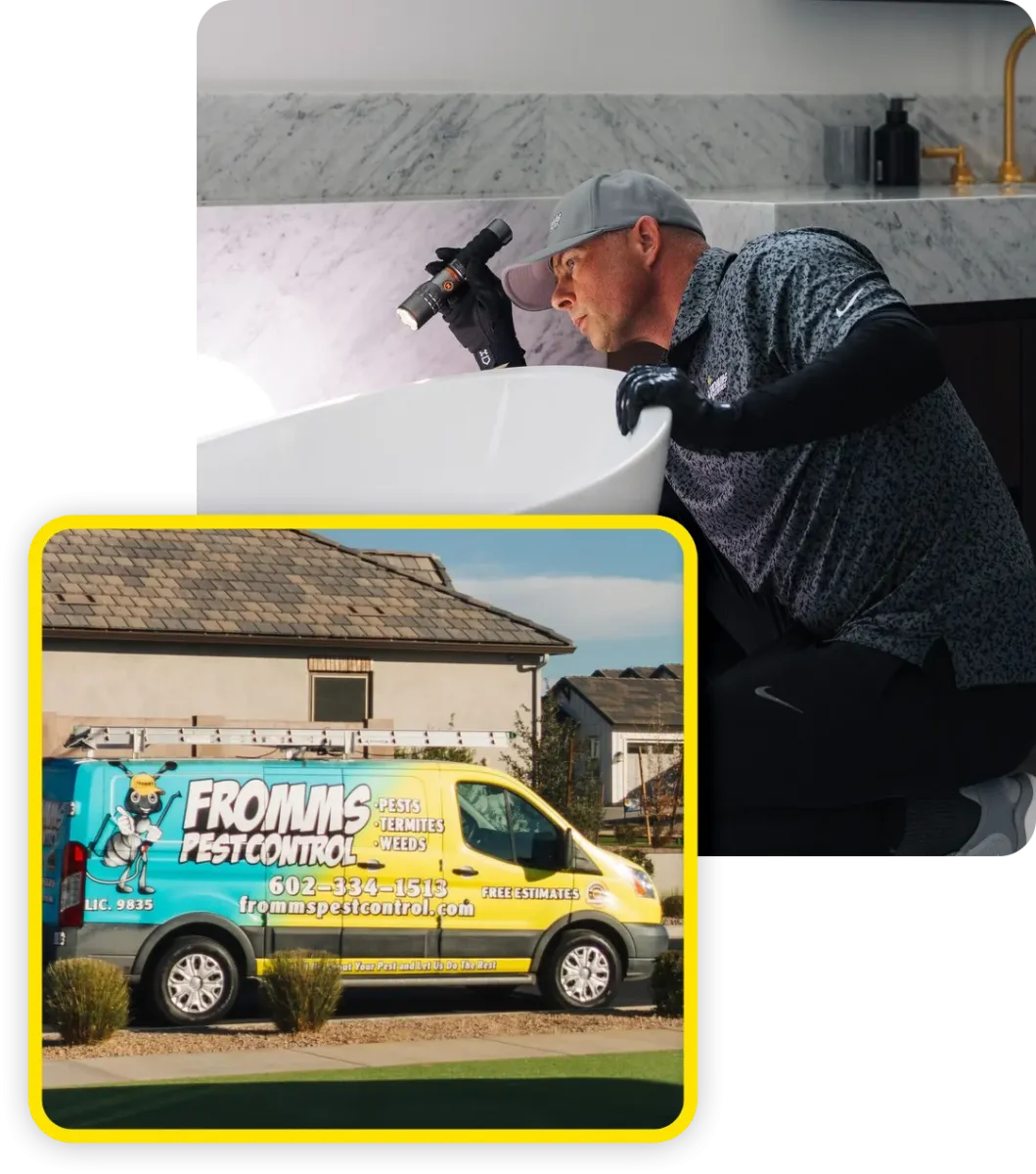
- Attention to plumbing penetrations at sinks, tubs, and utility lines, which are commonly overlooked access points
- Assessment of structural vulnerabilities that rodents exploit, such as gaps in block wall caps, deteriorating soffits, and spaces around HVAC lines
- Regional factors like nearby citrus trees, palm trees, and block walls that serve as travel corridors for roof rats in Phoenix neighborhoods
- Documentation of entry points so follow-up visits can verify the seals are holding
Exclusion is the most durable way to prevent re-infestation on properties with identifiable penetration points. It removes the conditions that allow rodents to move back in after an active population has been cleared.