Termite Control in Gilbert, AZ
Subterranean termites in the Phoenix Valley are active year-round, and by the time you see a mud tube or swollen door frame, a colony has likely been working inside your structure for months. The desert soil conditions and warm winters here create consistent termite pressure, and standard homeowners insurance does not cover the damage. Protecting your home means getting ahead of it before visible damage appears.
Fromms Pest Control handles termite protection from initial inspection through ongoing monitoring, so your property has documented, continuous coverage without the need to schedule individual visits or pay per inspection after the program is in place. Our bait station approach targets the colony directly, not just the surface, which is the difference between disruption and elimination.
Fromms Pest Control provides the following termite control services in Gilbert:
- Termite Inspections
- WDI (Wood Destroying Insect) Inspections
- Subterranean Termite Treatment
- Bait Station Installation
- Targeted Liquid and Foam Treatment
- Ongoing Monitoring Programs
- Annual Comprehensive Termite Inspections
- Real Estate WDI Reports (NPMA-33)
If you are buying a home, refinancing, or simply want to know where your property stands, Fromms Pest Control provides clear findings and a straightforward path to treatment and protection. Call or submit a request to get started.

Additional Services in Gilbert
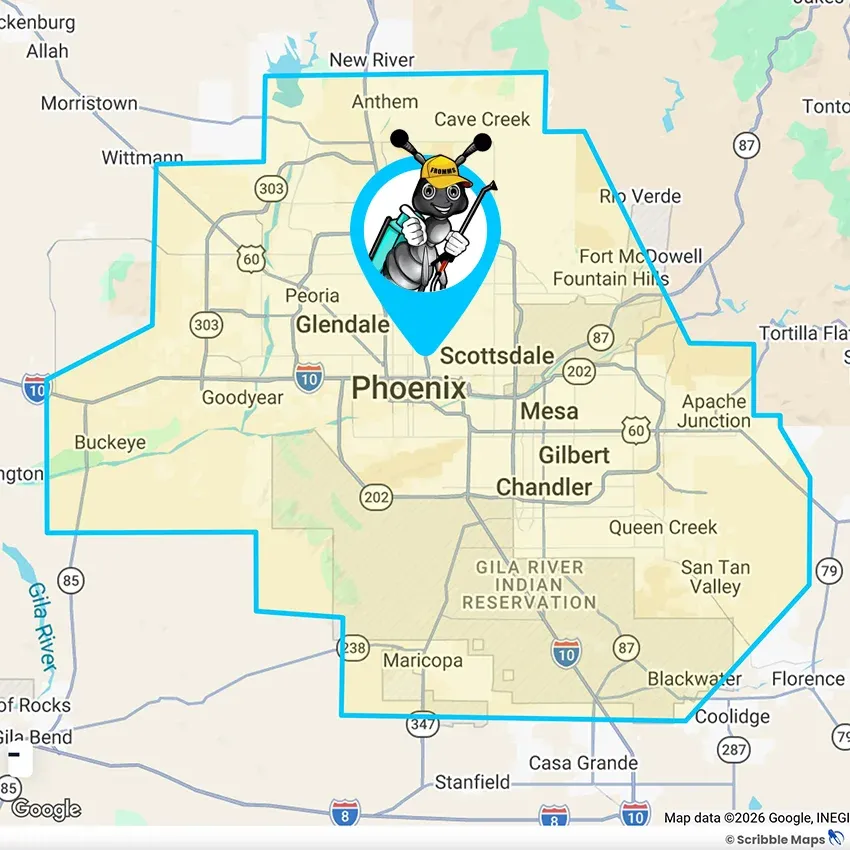
About Our Gilbert Termite Treatment Process
Subterranean termites in Gilbert work quietly through soil, mud tubes, and wood framing long before any visible sign appears. Termite is the kind of problem that compounds the longer it goes unaddressed, and standard homeowners insurance does not cover the repair bills.
Here is how the process works:
- A certified technician inspects accessible interior and exterior areas, including foundation walls, door frames, exposed wood framing, and the perimeter of the structure
- If activity or conditions that support activity are found, a bait station system is installed in the soil around the structure at regular intervals
- Termites foraging through the soil encounter the bait and carry the active ingredient back to the colony, driving elimination over time rather than just surface disruption
- For active localized activity, liquid termiticide or foam is applied directly to that zone as a supplemental measure
- After installation, the program moves to ongoing monthly maintenance with scheduled station checks, documented activity reports, and an annual comprehensive inspection included
Why Homeowners in the Gilbert Choose Fromms Pest Control
Fromms Pest Control sends the same technician back to your property, keeps detailed records of what was found and treated, and covers additional treatment under the monitoring program if new activity appears. There are no long-term contracts, pricing is explained upfront, and the phones are monitored around the clock if something urgent comes up between visits.
Your Gilbert Home, Protected By Our Warranty
When you sign up with Fromms Pest Control, your termite protection does not stop after the initial treatment. The ongoing monitoring and renewal program keeps bait stations active around your home, includes an annual inspection, and covers any new activity found, all under a single monthly plan.
That kind of continuous coverage is something most one-time treatments simply do not offer. You also get a documented record of your property's termite status, which comes in handy if you ever sell.

Signs of A Termite Infestation in Your Gilbert Home
Subterranean termites consume wood from the inside out, which means visible damage is often the last sign, not the first. By the time you notice something is wrong, a colony may have been actively working through your home's structure for months.
Knowing what to look for early makes a real difference in how much damage occurs before a colony is identified and addressed.
Common signs that termites may be active in Arizona homes include:
- Mud tubes running along foundation walls, stem walls, or exposed framing
- Winged swarmers appearing indoors or near exterior entry points, particularly in spring or after monsoon rains
- Discarded wings near windowsills, door frames, or baseboards
- Wood that sounds hollow when tapped, especially along floor supports or door frames
- Bubbling or uneven paint on surfaces that have no moisture source
- Tight-fitting doors or windows caused by wood distortion from termite activity
Each of these signs points to a colony that is already established. The sooner the source is identified, the less structural exposure your home faces going forward.