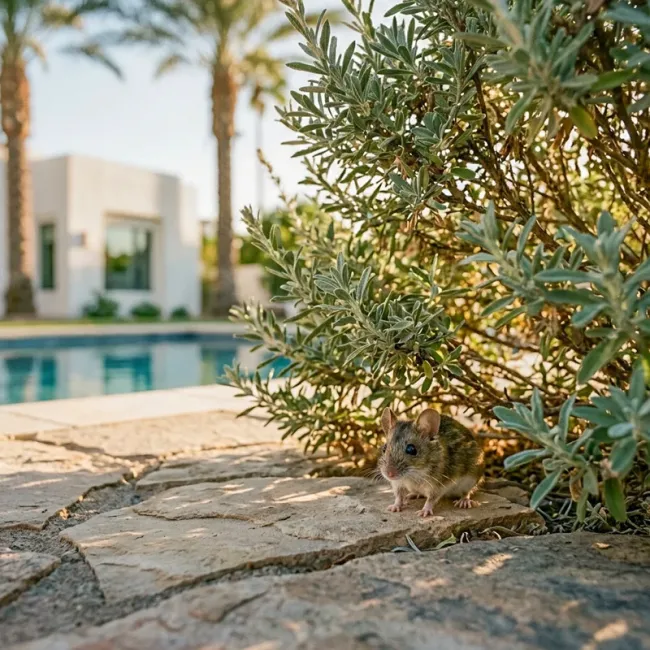
Roof rats are active across Arizona neighborhoods year-round, and Fromms approaches rodent control with a full inspection, mechanical trapping, and entry point sealing rather than bait-only fixes.
Rodent Control Service in Arizona
Catching one rodent does not solve a rodent problem. Mice and rats keep returning because the entry points, food sources, and harborage conditions drawing them to your property are still there. A mouse can fit through an opening the size of a dime, and the gaps around plumbing penetrations, rooflines, and foundation perimeters that let them in are easy to miss without a trained eye.
Fromms Pest Control inspects the full property first, maps active entry points, then pairs trapping with a longer-term strategy, whether that is physical exclusion or ongoing exterior bait management, designed to stop the cycle rather than just interrupt it. Rodent pressure in the Phoenix Valley peaks in fall and winter, and monthly service keeps the problem from getting ahead of you.
Our Rodent Control program covers the treatments and strategies that get results:
- Rodent inspection and activity assessment
- Interior and exterior trap placement
- Entry point identification and exclusion sealing
- Exterior perimeter bait station installation and maintenance
- Roof rat control
- Mouse control
- Squirrel removal
- Monthly recurring service visits
If rodents keep coming back no matter what you try, that is a clear signal that the problem needs a structured approach. Fromms Pest Control handles the inspection, the treatment, and the follow-through so you are not stuck managing it on your own.
How Rodent Control in Arizona Actually Gets Done
Arizona properties face real pressure, especially where citrus trees, block walls, and utility lines provide roof rats with direct routes to rooflines and attics. Once inside, rodents nest in insulation, chew through wiring, and leave contaminated surfaces behind. Getting ahead of that takes more than a single visit.
Here is how Fromms Pest Control handles it from the first call forward:
- Full property inspection to identify signs of activity, including droppings, grease trails, gnaw marks, and nesting material, plus all actual and potential entry points around the structure
- Targeted trap deployment placed based on confirmed activity zones identified during the inspection, not guesswork
- Physical exclusion using wire mesh, hardware cloth, caulk, and expanding foam to permanently seal confirmed and likely entry points around the structure
- Monthly exterior bait station maintenance to suppress the surrounding rodent population on a continuous basis for properties where full exclusion is not practical or neighboring pressure is high
- Monthly return visits to monitor conditions, replenish bait stations or check exclusion integrity, and catch new activity early before it becomes a larger problem
A one-time removal visit addresses what is inside at that moment. It does not reduce population pressure from neighboring properties, citrus trees, or landscaping. Monthly service keeps that exterior pressure under control and new entries from restarting the problem.
Why Fromms Pest Control Is the Right Call for Rodent Work
Fromms Pest Control sends the same technician to your property on each visit, so nothing gets missed and you don't have to explain the situation from scratch every time. If covered pests return between scheduled visits, Fromms Pest Control comes back at no additional charge. No contracts are required, and there are no surprise fees. Phones are monitored around the clock, so if something urgent comes up between visits, you can reach someone who can help.
We stand behind the work we do, and that starts with a simple promise: if covered pests return between scheduled visits, we come back at no additional charge. No questions asked, no arguing over what's covered, no hoops to jump through.
You deserve results that actually hold up, and when something doesn't go as expected, Fromms Pest Control makes it right without making you chase us down to do it.

Warning Signs That Rodents Have Already Moved Into Your Home
Rodents are active long before most homeowners realize there is a problem. By the time you spot one in the open, there is almost always a larger population hiding in the walls, attic, or crawl spaces around your home. Knowing what to look for early makes a real difference in how quickly the situation gets under control.
Common signs Fromms Pest Control looks for in Arizona homes:
- Scratching or scurrying sounds in the attic or inside walls, especially at night
- Small dark droppings near baseboards, in cabinets, or along wall edges
- Gnaw marks on wood trim, baseboards, food packaging, or utility lines
- Grease trails or smear marks along walls and beams where rodents travel repeatedly
- Shredded insulation, paper, or fabric used as nesting material
- Citrus or other fruit on the ground with bite marks or hollowed-out sections
- A persistent musty odor in enclosed areas like attics, garages, or storage rooms
These signs often show up together, and each one points toward where activity is concentrated inside the structure. Identifying the full picture is where a professional inspection makes all the difference.
Rodent Exclusion Services That Prevent Re-Infestation
Rodents get inside through openings most homeowners never notice. Gaps around plumbing penetrations, deteriorated roof fascia, unsealed utility entry points, and misaligned garage door seals are among the most common access routes found during an exclusion inspection. A mouse needs an opening no larger than a dime, and roof rats reach rooflines by traveling along block walls, citrus trees, and utility lines before slipping in through soffit gaps.
Exclusion starts with a thorough inspection accounting for conditions specific to the Phoenix Valley and the seasonal pressure that builds in fall and winter. Once entry points are mapped, Fromms Pest Control seals them with materials suited to each opening. Hardware cloth, wire mesh, caulk, and expanding foam each serve a different purpose depending on gap size and location, because rodents will test weak points and work through inadequate fills.
Exclusion is the most reliable long-term solution after an active infestation is resolved. It removes the structural vulnerabilities that allow repeated entry rather than relying solely on managing the population outside.
Frequently Asked Questions
Are your treatments safe for kids and pets?
Yes, of course! Your safety is our top priority. We use products and application methods that are designed to be effective and produce results, while also being safe for humans, pets, and the environment when used as directed. Our technicians are trained to apply treatments with care and responsibility.
Can I handle rodent control on my own?
While DIY rodent control products are available, they are often ineffective for large infestations or in cases where rodents have found safe harborage areas within your home. Professional rodent control is more comprehensive, as it includes inspection, exclusion, and long-term monitoring to prevent future infestations.
How do I prevent rodents from coming back?
To prevent future rodent infestations, consider the following tips:
- Seal entry points: Ensure windows, doors, vents, and foundations are secure.
- Remove food sources: Store food in airtight containers and dispose of trash regularly.
- Keep the environment clean: Clean up crumbs, spills, and pet food promptly.
- Trim trees and shrubs: Rodents often use branches to access roofs and attics, so keep trees trimmed away from the home.
What are the health risks of a rodent infestation?
Rodents can pose serious health risks due to the diseases and parasites they carry:
- Disease Transmission: Rodents can spread diseases such as salmonella, hantavirus, leptospirosis, and lymphocytic choriomeningitis virus (LCMV) through their urine, droppings, and saliva.
- Parasites: Rodents are known to carry fleas, ticks, and mites, which can infest your home and lead to additional health risks for humans and pets.
- Allergies: The dander from rodents, along with their droppings and urine, can trigger allergies and asthma in sensitive individuals.
What are the signs of a rodent infestation?
- Droppings: Small, dark droppings near food sources, entry points, or in hidden areas.
- Gnaw marks: Evidence of chewing on wires, furniture, food packaging, or insulation.
- Nesting material: Rodents will gather soft materials like fabric, paper, and insulation to create nests.
- Sounds: Scratching, scurrying, or squeaking noises, especially at night.
- Odor: A musty or urine-like smell, often indicating an active infestation
What causes a rodent infestation?
Rodents often seek shelter and food inside homes and businesses due to:
- Easy access to food: Open food containers, trash, or pet food are attractive to rodents.
- Entry points: Gaps around windows, doors, and vents, as well as cracks in foundations, provide access.
- Harborage: Warm, dry spaces in attics, basements, and behind walls offer a safe environment for rodents to nest and breed.
What kind of damage can rodents cause?
Rodents, especially rats and mice, have a strong instinct to chew. They can gnaw through various materials to gain access to shelter, including:
- Wood: Rodents can chew on wooden beams, walls, and floors, weakening the structural integrity of your home.
- Drywall: Mice and rats can chew through drywall, causing holes and exposing insulation.
- Insulation: Rodents often chew through insulation, leaving areas exposed and reducing your home's energy efficiency.
- Pipes and Wires: Rodents frequently chew on electrical wires, which can cause short circuits, electrical fires, or power outages. They can also damage water pipes and gas lines, leading to leaks and increased risk of water damage or gas hazards.
Rodents can damage personal items by chewing or nesting in them, such as furniture, clothing, books, and electronics.
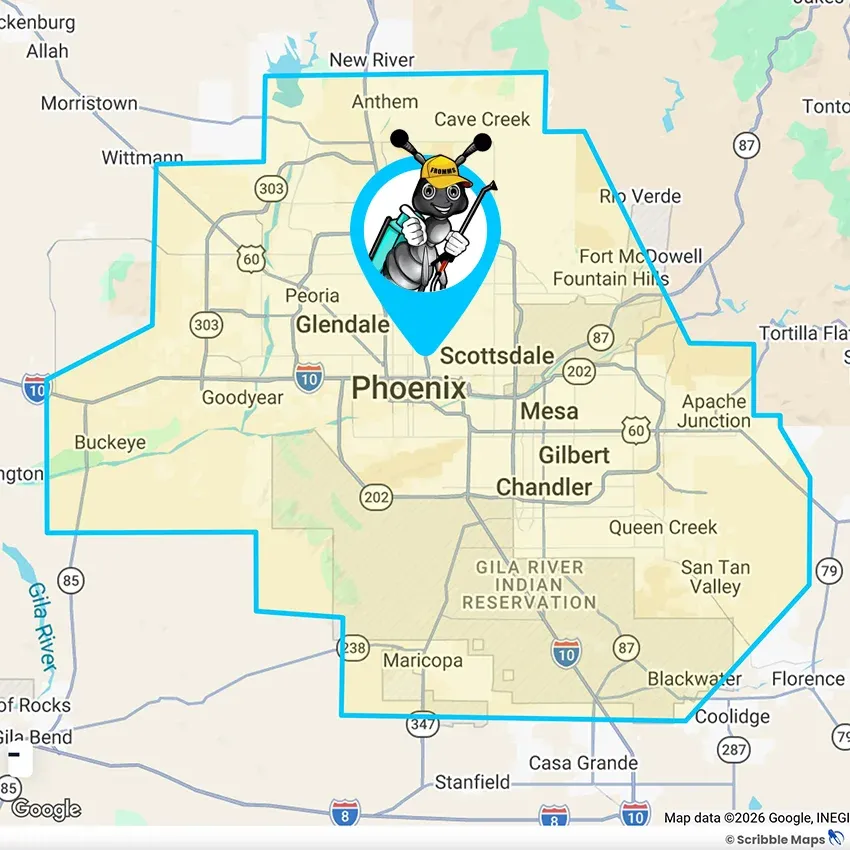
Rodent Control Service Area
Fromms Pest Control provides Rodent Control across the Phoenix Valley, including communities throughout Maricopa, Pinal, and Yavapai counties. Check the cities and towns listed below to confirm we cover your area, and if you don't see your city, reach out anyway since we may service it but haven't added it to the site yet.