
What’s Hanging From Your Ceiling?
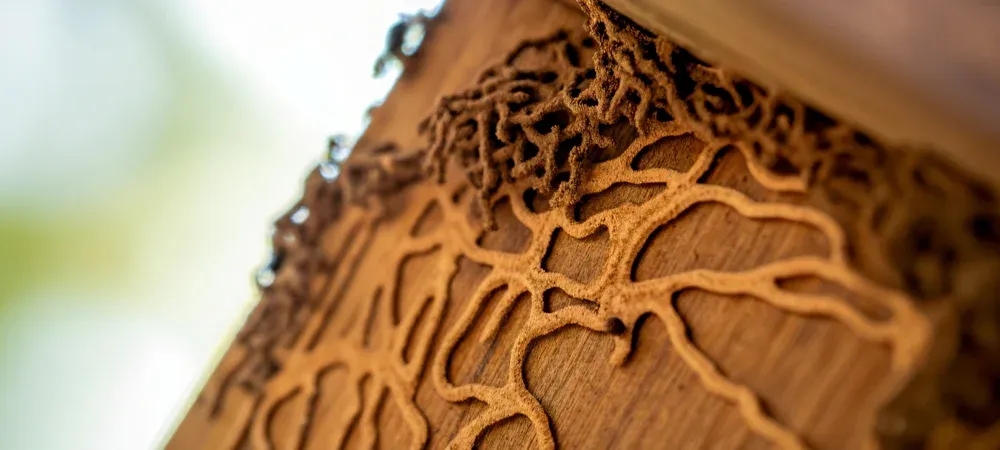
What Are Those Mud Tubes On Your Walls
Alright so this might sound weird, but most folks dont even notice the first mud tube. They notice the second one. The first time, you think it’s just dirt from the yard blowing around after a windy day or maybe your kid dragged a muddy shoe across the wall. Then day two you spot another one, or the same one somehow got longer. That’s when your stomach does that small drop. Happens around here all the time. Arizona houses, the block walls, the stucco that keeps cracking when the sun bakes it every summer, all of it gives termites these perfect little starting lines. I’ve walked into garages with people standing there quiet, staring at a single skinny line like it just talked back. They’ll say something like hey, what are those mud tubes on my walls is that normal or did something die behind there.
And you kinda have to tell them gently you know, like, yeah, I get it, but no, this isn’t normal. Those tubes? Termite tubes. Subterranean termites. The kind that live deep in the soil and crawl right up into the house like they’re late for something.
And look, I’ve lived here long enough to know it sneaks up during the oddest weeks. Sometimes in winter. Sometimes in the middle of July when the heat feels like it could fry an egg on your truck hood. Termites don’t care. They follow moisture, shade, cracks so small you wouldn’t even slide a credit card in. And once those little tubes appear, they don’t vanish on their own. You’ve gotta deal with them. If you want the official Fromms termite service thing, that’s right here, but let me talk like a real neighbor first because that’s usually what helps people understand what the hell they’re looking at before they panic. The tubes look… weird. Sometimes thin and clean. Sometimes chunky and cracked. If yours looks like a thin line someone stuck to the wall using wet dirt, yeah, that’s exactly what it is. Dirt mixed with termite spit and whatever else they pack in there. They do it to stay moist. Arizona sucks the life out of anything moist. Even people. So termites build tunnels just to move from soil to wood without drying up. Smart little pains in the butt.
What exactly are termite mud tubes
People always toss that one out first. What are termite mud tubes, like scientifically. And I’m not a scientist, I’m a guy who’s opened walls and seen colonies big enough to make your skin crawl. But mud tubes are basically covered highways for subterranean termites. Keeps their humidity up, keeps predators out, keeps them hidden. You’ll find them sneaking up the stem wall, across the slab, into a garage corner that no one looks at for months. Happens a lot on older homes but even the brand new stucco builds get them because builders don’t seal every crack like they should. And even if they did, Arizona earth likes shifting around. You’ll see tubes that look like they took the long way home, zig zagging like the termites got lost. That’s when people start Googling why are there mud tubes on my foundation or are mud tubes always termites or is there a harmless version of this. No harmless version. Mud tubes aren’t a prank from nature. They’re a warning sign.
Are those drywall termite tubes or something else
Drywall freaks people out because it’s inside the house. When someone finds a tube on drywall, especially near a baseboard or a corner seam, they usually call the same day. And honestly good. Because drywall termite tubes mean the colony’s already built enough pressure that workers are pushing into actual wall voids. Btw, I get asked all the time: can termite tubes be on drywall ceilings or walls. And yeah, absolutely. If there’s the tiniest gap behind the paint or a hairline crack, termites squeeze through it like toothpaste. Drywall tubes look drier, softer, almost brittle. If you wipe your finger across and the dirt falls apart like stale cornbread, termite tube. And if you wipe too hard, sometimes you smear it and see white squishy bodies inside. PLEASE don’t poke too hard.
Can termite tubes form on ceilings
Yep. Seen it more times than I’d like. Ceiling termite tubes are like the final boss of termite weirdness. They go up looking for wood. Sometimes from the attic side. Sometimes from wall voids. Sometimes from block walls where moisture got trapped after a monsoon night. People always ask can termites really climb up ceilings and yeah, they can. They’ll climb anything if it gets them closer to the studs, rafters, trusses, anything with cellulose. If you’ve got a tube up there, even a small one, that’s not early stage. That’s mid or late stage. Tubes on ceilings don’t show up on day one. They show up around day who knows, but definitely not the beginning.
What about termite tubes hanging from the ceiling
Those… yeah… those look creepy. Like a dirt stalactite. I’ve walked into homes where the tube was dangling like a little root waiting for someone to scream. Termite tube hanging from ceiling usually means they were trying to reach down to something but didn’t. Maybe air flow messed with them. Maybe they missed the stud. Maybe they got confused. Happens a lot over garage water heaters or near AC vents where the air messes with humidity.
Is that termite poop or mud
Another thing: folks ask is that termite poop or mud on my ceiling because subterranean termite tubes kinda look like mud with pepper in it. That’s because they literally use poop as glue. Drywood termites kick out little pellets, subterranean ones mix theirs in with the mud. So if you’re looking at something crusty, brownish, slightly sandy… guess what. It’s termite-built. And it’s active.
Can termites leave tubes on drywall ceilings
Yes. 100 percent. If the drywall ceiling has even the slightest moisture pocket or crack from settling, termites slide right in. I’ve seen ceiling tubes after a single monsoon season because humidity went up and termites basically threw a party. People text me photos asking why are there termite tubes on my ceiling is that even possible, and the answer is always yep, welcome to Arizona. Take a number.
Early signs of ceiling termite damage
Most folks don’t know what to look for, so by the time they see the tube, they missed the early stuff. Things like:
- tiny ripples in paint
- a hollow sound when you tap the ceiling panel
- pinholes that weren’t there last month
- a faint sag in one spot
- dust on the floor with no explanation
We actually made a whole guide on the early signs if you want to dig deeper, it’s here: earliest termite trouble signs for Arizona homes.
Why do termites climb ceilings in Arizona
Arizona weather is a mess. Dry, then suddenly wet, then hot enough to warp plastic lawn chairs. Termites follow moisture gradients. Sometimes in the soil, sometimes up walls, and sometimes straight up your ceiling because the humidity trapped behind drywall makes a perfect travel lane. Homes with older irrigation lines running too close to the foundation get the worst of it. Or backyard planter boxes touching the stucco. Or foam trim pieces that look cute but hide cracks behind them.
Termite tubes on block walls
Arizona block walls are basically termite freeways. They’re hollow. They crack. The mortar gaps produce little micro highways. And termites LOVE shade. Block walls give shade almost all day long. I’ve scraped tubes off block walls that were so long they looked like someone stretched spaghetti across them. If you’ve got tubes on your block wall, especially if they’re coming from a joint or spreading sideways, yeah, termites are inside those cavities.
Do termite mud tubes on the ceiling always mean damage
Not always, but you should assume something’s going on behind the scenes. Tubes mean termites are active. Damage depends on how long they’ve been at it. Some people catch it early. Others… well the beam tells the story when you open it. But ceiling tubes aren’t casual. They don’t show up just because. They show up because the termites got comfortable enough to explore higher areas.
Are hanging termite tubes dangerous
Dangerous as in collapse right now? Probably not. Dangerous as in costly if ignored? Yeah. Termites don’t pause. They eat slow but steady. Like a drip leak you can’t hear until one day the drywall feels soft.
DIY or call someone
DIY termite stuff in Arizona is honestly like throwing a band aid at a leak in the Hoover Dam. It might slow something, but it won’t solve it. Termites live in the soil. You have to treat the perimeter. Liquid barriers. Proper injections. Baits when appropriate. And each house needs a different approach. Tubes up high? That’s different from tubes at the stem wall. Fromms doesn’t charge for the inspection, so it’s worth having someone follow the tubes from bottom to top. Heres the main service if you want the overview: termite treatment options in Arizona.
Entry points termites love
I’ve seen termites come through things that don’t even look like entry points. Some greatest hits:
- stucco cracks smaller than a pencil lead
- areas near irrigation drips
- the line between garage slab and foundation
- foam trim pieces with hidden cracks
- block wall cavities that stay shaded
- foundation expansion joints
- small gaps around old utility penetrations
Arizona homes breathe weird. Heat expands things. Nighttime shrinks them. All that movement makes new termite entry points every year.
How to prevent tubes from returning
There’s a bunch of stuff homeowners can do, even before calling someone out:
- keep soil pulled back from the stem wall
- fix leaking irrigation (seriously, this one causes half the problems)
- seal visible stucco cracks
- remove mulch hugging the foundation
- clean up wood debris near the home
- avoid storing cardboard right against the wall inside the garage
But prevention only works if the colony is already killed. If not, the tubes just come back somewhere else.
How Fromms handles termite mud tubes
Every job starts with a real inspection. Free. In person. Not a phone guess. We walk the perimeter, tap the walls, check the block wall joints, scrape the tubes gently to see if they’re active, and follow them back to the soil source. Sometimes the solution is liquid treatment around the home. Sometimes it’s targeted wall void treatment. Sometimes baiting makes more sense if the soil conditions are bad. There isn’t a one size answer. Arizona soils vary. Even the same street can have different issues house to house. If you’re dealing with tubes right now and want to see the full process, we’ve got a page about getting rid of termite tubes the smart way. And again if you just want someone out to tell you what you’re up against, here’s the inspection request: schedule a termite check.
Final thought
Look if something looks off, get it checked. Mud tubes don’t show up because your house is dirty or unlucky. They show up because termites got inside. Fromms will check it for free. Takes way less time than worrying about what’s happening behind that wall. With effective, reliable termite control services, so you can enjoy peace of mind knowing your property is safe.